 Study Architecture
  ProPEL
 in Architecture, Climate Change, and Society
Columbia University’s Temple Hoyne Buell Center for the Study of American Architecture and the ACSA launch a competitive call for course proposals on the theme “Architecture, Climate Change, and Society”

Education in architecture and urbanism is well positioned creatively and critically to address the exigencies of climate change. However, pedagogical methods that prioritize immediate applicability can come at the expense of teaching and research that explore the sociocultural and ecopolitical dimensions of the crisis. This, in turn, ultimately limits the range of approaches addressing climate change in professional practice. Columbia University’s Temple Hoyne Buell Center for the Study of American Architecture is therefore launching, together with the Association of Collegiate Schools of Architecture, a competitive call for course proposals on the theme of “Architecture, Climate Change, and Society.”
From history seminars to visual studies and from design studios to building technologies, the wide variety of course offerings at schools of architecture is a testament to the diversity of perspectives, skills, and tools that ultimately comprise quality work in the field. In contrast, the urgency of the unfolding climate crisis can seem to demand a singular focus that is antithetical to humanities-based critical inquiry or to longer-term creative and technical endeavors. We seek the kind of realism, however, that redefines problems and leaves room for the imagination. Successful proposals for this Course Development Prize in Architecture, Climate Change, and Society will include methods and themes that innovate within their institutional setting—asking hard questions of students that are equal in weight to the hard questions being asked of society as it grapples with the intertwined causes and effects of climate change.

Mason Andrews
Hampton University
A two-semester, cross-disciplinary course focusing on adapting to the impacts of sea level rise in existing urban neighborhoods in sadly soggy southeastern Virginia has been in place since 2014. In the first semester, students of architecture, engineering, and, intermittently, of pure and social sciences, hear lectures from subject matter experts on: soils and hydrology, preservation, urban design, public policy, social justice and more. Simultaneously, community engagement with stakeholders begins, as does a series of design initiatives in which the architecture students and faculty model the processes of Studio Based Learning. The latter is the subject of a current NSF program study by ethnographers. While student work has been the basis for a $115,000,000 HUD NDRC implementation grant, it is also true that, as in efforts outside academia, disciplinary silos keep professions ill-equipped to work successfully together. In a subject as vast as the planning of adaptation strategies, however, the only path forward is bringing the expertise of a wide array of knowledge types together; there is inadequate time for sequential disciplinary speculation. Next year, area professionals will join the design studio as well. It is hoped a new community of practice will emerge modeling effective transdisciplinarity.
Bradford Grant
Howard University
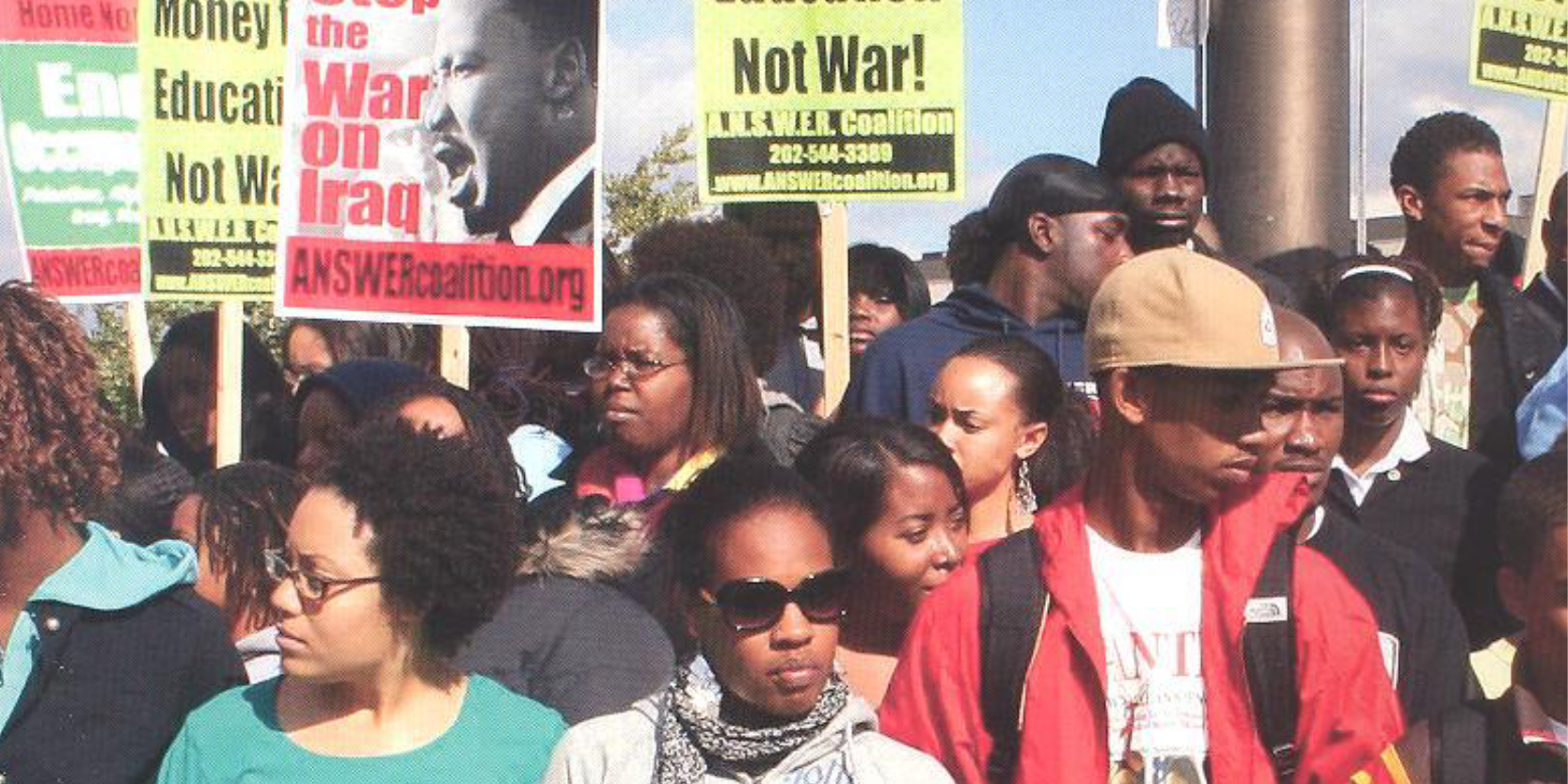
Science, empirical evidence, and some technical solutions about global climate change are well documented and generally known to our upper division architecture students who have taken the required Sustainability course. While our students may understand that the world’s climate is warming as an existential and profound threat for the future of our environment, we see that our thinking and action on climate change are influenced not only by science, but by an array of social and political dynamics. How architects can help the client, profession, and the public’s understanding of the climate crisis, influence changes in policies for environmental equity and propose a climate change response is the direction of this course. Students’ understanding of their role as future professionals in the public process for climate change design policies, environmental justice, and a call for action, is the goal of the course.

Gabriel Fuentes, Daniela Shebitz, and Julia Nevarez
Kean University
Unthinking Oil: Public Architecture and the Post-Carbon Imaginary is a cross-disciplinary course to be taught in collaboration among the Kean University’s School of Public Architecture, School of Environmental and Sustainability Studies, School of Social Sciences, and the Human Rights Institute (HRI). Its aim is to intersect architecture with the emerging field of energy humanities in order to speculate openly and collectively on the broad political and aesthetic dimensions of climate change. Its guiding premise is that climate change is symptomatic of a deeper crisis of thought that requires transdisciplinary modes of critical analysis to unmask. Our fossil-fueled, petrocultural reality is not a mere techno-economic problem to be solved by mere techno-economic solutions; rather it is a deep cultural problem that entwines our social practices and energy uses with politically motivated representations and narratives about nature, modernity, and the environment. Petroculture operates in plain sight—post-industrial society is an oil society through and through. Climate change, then, is a symptom of a global carbon regime that permeates all aspects of our physical, material, intellectual, and affective lives. Change can only come by unthinking this regime and its infrastructures, by constructing new imaginaries of a post-carbon world. Paradoxically, unthinking requires deep thought.
Jeanne Homer, Khaled Mansy, John Phillips, and Tom Spector
Oklahoma State University
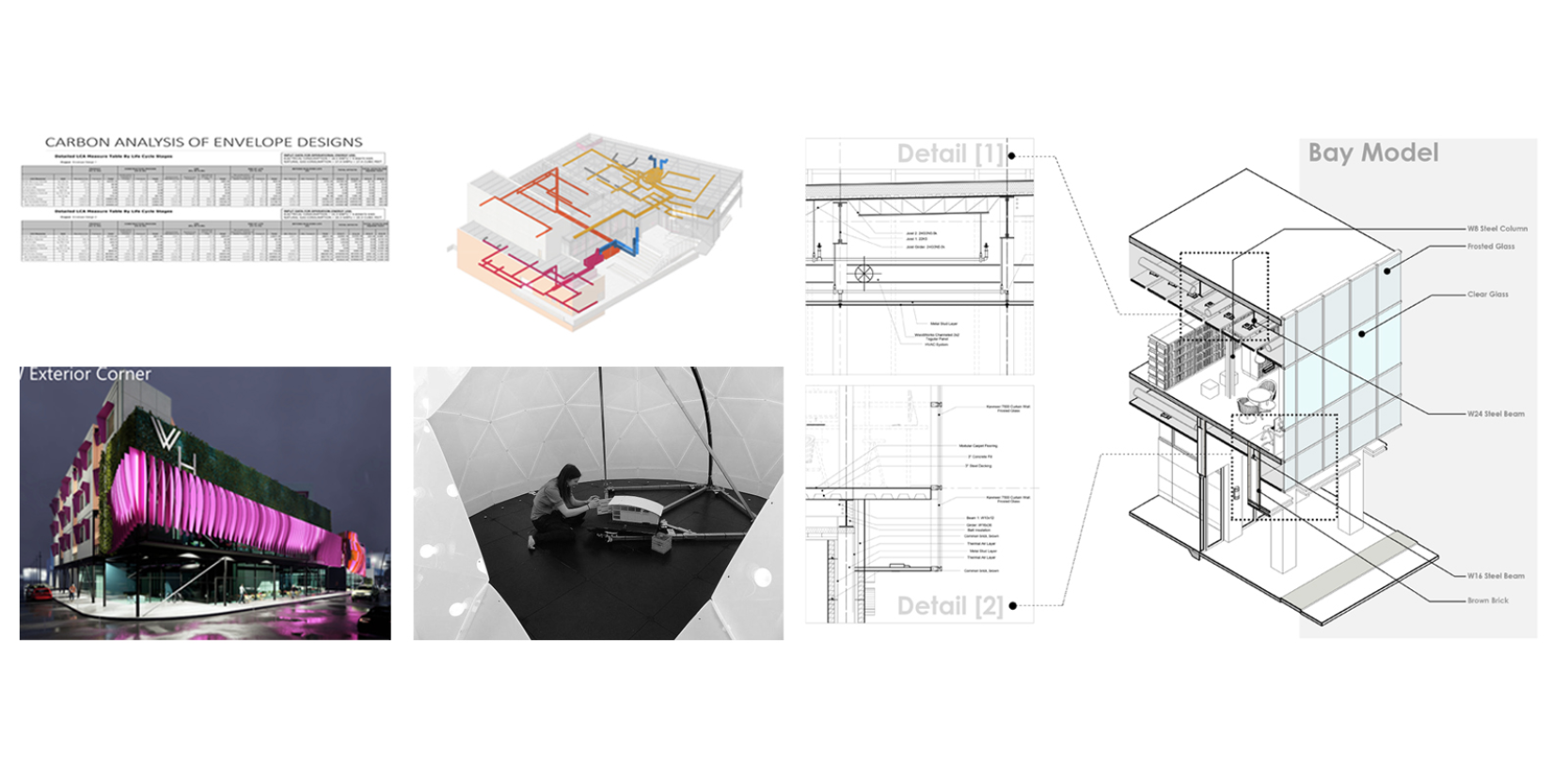
We are a group of faculty seeking the integration of the climate action goal of decarbonization into the design studio. We co-teach our school’s comprehensive design studio (required fourth year studio), in which performance is emphasized as a principal driving force for design development. Students are challenged with the task of making their buildings as resource-efficient as possible. Students are required to seek evidence-based feedback to improve the performance of their design, i.e., the structural, energy, and financial performance. Our endeavor is to redefine the educational goals of studio to integrate carbon footprint as the primary measure of performance, which should open the door for students’ creativity in finding innovative ways to minimize carbon emissions due to both operational and embodied energy. The current content and scope of studio enable students to develop the understanding and ability to generate all of the evidence-based data required to evaluate building performance, but this data stops short of estimating the building’s carbon footprint. The next step is to explore ways to develop the studio further, pushing the envelope towards making it possible to estimate the ripple effects of carbon footprint and the (direct and indirect) impacts of buildings on climate change.
Gabriel Cuéllar
University of Minnesota
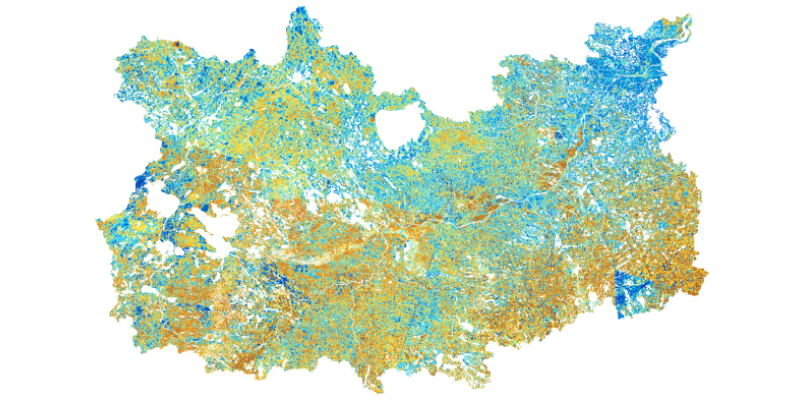
This studio is concerned with imagining how architecture, as a discipline, practice, and material reality, can help uphold the Rights of Nature. Exploring this emerging paradigm—codified in the phrase, “to exist, flourish, and evolve”—the studio will define concrete expressions of the ethics of care embodied in the recognition of rights for other-than-human entities. Our subject will be the Mississippi Headwaters watershed, whose ecological communities and dynamics will figure as protagonists in our studio. We will study how the “Great River” propelled Minnesota’s productivity and explore what role it, as a potential rights-bearing entity, might play in reshaping ecological and spatial relations. We will seek to account for biogeochemical interactions irreducible to human agency, while identifying approaches to guide architectural intelligence within present environmental predicaments. We will rely on our discipline’s sensibility for mobilizing documents and precedents, identifying spatial relations, forming systems of coherence, and analyzing material characteristics and form. In parallel, we will chart out architectural efforts and effects embedded in situational contingencies that transpire over time, interact with other forces, and thrive as strictly infrastructural. Acknowledging that the Rights of Nature are, presently, written aspirations, our goal will be to articulate the architectural dimensions that could support them.
Sara Stevens, Adam Rysanek, and Kees Lokman
University of British Columbia
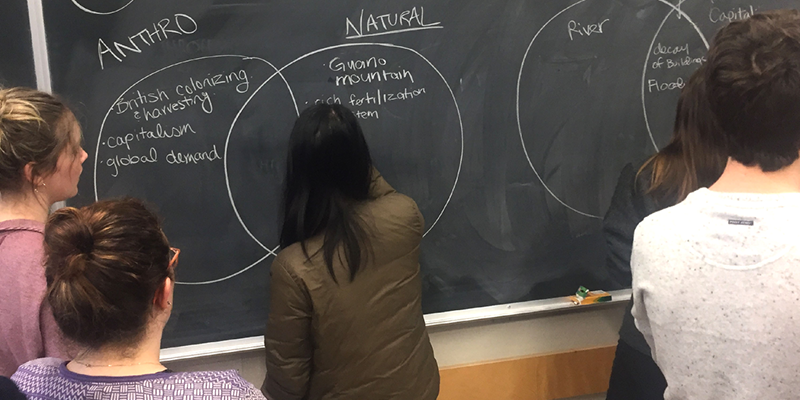
Co-taught by a historian, a landscape architect, and a building scientist, this course proposes that design thinking has the potential to reframe the wicked problem of climate change. Weekly structured debates will pose provocations based on a set of historical and contemporary episodes and contested landscapes that position the designer in relation to societal change. Students assignments (Debate, Review, Conceive, and Impact) will analyze case studies in order to reimagine the relationship between design and climate change. Divided into modules that highlight different perspectives, the class will include lectures, workshops, and collective assignments intended to produce a small exhibition.
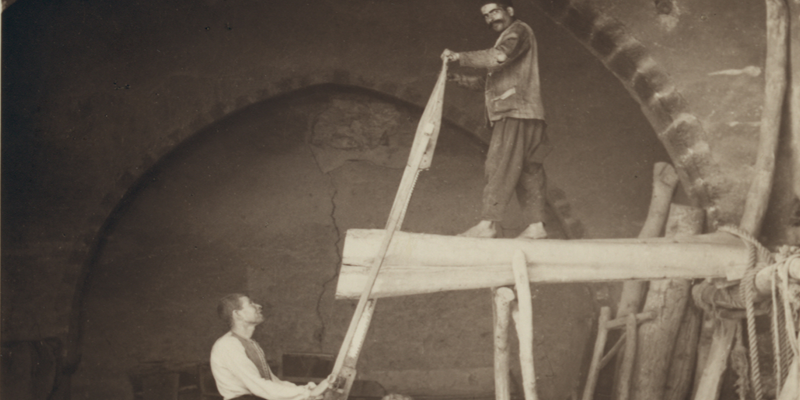
Image: Kamar ed Din Series: Hand-sawing of Logs into Planks, 1938.
Faysal Tabbarah
American University of Sharjah
The course investigates the relationship between architectural and environmental imaginaries in the development of post-colonial architecture in the Arab World. The course integrates readings and discussions around Orientalism, Environmental Orientalism, environmental history, and colonial/post-colonial architecture in the region. Integrating environmental history methodologies into architectural discourse reveals the relationship between architecture, environmentalism and colonialism. This framework raises the following questions: What do colonial legacies have to do with environmentalism, and how does this shape Arab architecture? How do contemporary ideologies and practices of environmentalism impact Arab architecture? And finally, what are non-Western designers to do in the face of ongoing Orientalism and the climate crisis?
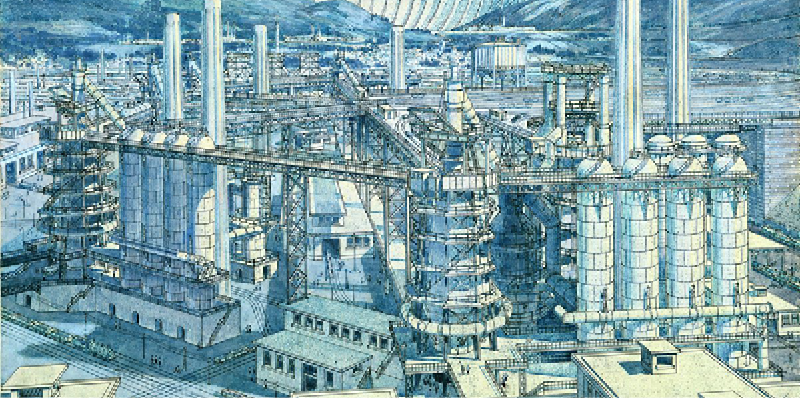
Image: Steelworks, from Tony Garnier, Une cité industrielle: Étude pour la construction des villes (Paris, 1917)
Hans Ibelings
University of Toronto
Outline for a First-Year Undergraduate Lecture Course
In the last decades, histories of architecture have made a global turn. Now is the moment for architectural history’s global warming turn. If modern architecture is normally understood to have originated in Europe, so does global warming, with the Industrial Revolution igniting both. This lecture course is a reading of the history of architecture since 1800 through the lens of humankind’s increasing ecological footprint.
Watch the session video from the ACSA108 Virtual Conference. The five 2020 Course Development Prize winners presented their courses in a recorded 90-minutes session.
Columbia University’s Temple Hoyne Buell Center for the Study of American Architecture was founded in 1982. Its mission is to advance the interdisciplinary study of American architecture, urbanism, and landscape. A separately endowed entity within the Graduate School of Architecture, Planning, and Preservation, it sponsors research projects, workshops, public programs, publications, and awards.
In recent years, the Center has convened issue-oriented conversations around matters of public concern, such as housing, that are addressed to overlapping constituencies including academics, students, professionals, and members of the general public. The Buell Center’s research and programming articulate facts and frameworks that modify key assumptions governing the architectural public sphere—that is, the arena in which informed public analysis and debate about architecture and urbanism takes place. Buell Center projects utilize a variety of formats, such as specialized academic conferences, small meetings, larger public events, and publications, depending on the issues and audience at hand. In all cases, they offer a context for the study of American architecture that brings underlying issues to light and enables architecture’s various interconnected publics to gain a greater understanding of its cultural significance.
The Center’s current project, “Power: Infrastructure in America,” which is framing its support for the Course Development Prize, challenges participants to think about how infrastructure relates to life across a series of intersecting concerns, including democratic governance and climate justice. For more information, see power.buellcenter.columbia.edu.

The mission of the Association of Collegiate Schools of Architecture is to lead architectural education and research.
Founded in 1912 by 10 charter members, ACSA is a 501(c)(3) nonprofit association of over 200 member schools in several categories. These include full membership for all accredited programs in the United States and government-sanctioned schools in Canada, candidate membership for schools seeking accreditation, and affiliate membership for schools for two-year and international programs. Through these schools, over 5,000 architecture faculty are represented.
ACSA, unique in its representative role for schools of architecture, provides a forum for ideas on the leading edge of architectural thought. Issues that will affect the architectural profession in the future are being examined today in ACSA member schools. The association maintains a variety of activities that influence, communicate, and record important issues. Such endeavors include scholarly meetings, workshops, publications, awards and competition programs, support for architectural research, policy development, and liaison with allied organizations.
ACSA seeks to empower faculty and schools to educate increasingly diverse students, expand disciplinary impacts, and create knowledge for the advancement of architecture.

Eric Wayne Ellis
ACSA, Senior Director of Operations & Programs
202-785-2324
eellis@acsa-arch.org
Jacob R. Moore
Buell Center, Associate Director
212-854-8165
jrm2031@columbia.edu
Founded in 1912 by 10 charter members, ACSA is an international association of architecture schools preparing future architects, designers, and change agents. Our membership includes all of the accredited professional degree programs in the United States and Canada, as well as international schools and 2- and 4-year programs. Together ACSA schools represent some 7,000 faculty educating more than 40,000 students.
Enter your name and email below, and we’ll send you the latest ACSA news and events.
© Copyright 2026 ACSA