 Study Architecture
  ProPEL
 in Architecture, Climate Change, and Society
A course proposal competition by Columbia University’s Temple Hoyne Buell Center for the Study of American Architecture and the ACSA.

Columbia University’s Temple Hoyne Buell Center for the Study of American Architecture and the Association of Collegiate Schools of Architecture (ACSA) announce the winners of the 2024 Course Development Prize in Architecture, Climate Change, and Society. These innovative courses will be taught at ACSA member schools across the world in the coming years.
The jury selected one course to receive a cash prize and support to lead their course at their host institution within the next two years. In addition the jury selected three courses to receive an honorable mention.
Elizabeth Golden & Marc Neveu
University of Washington & Arizona State University
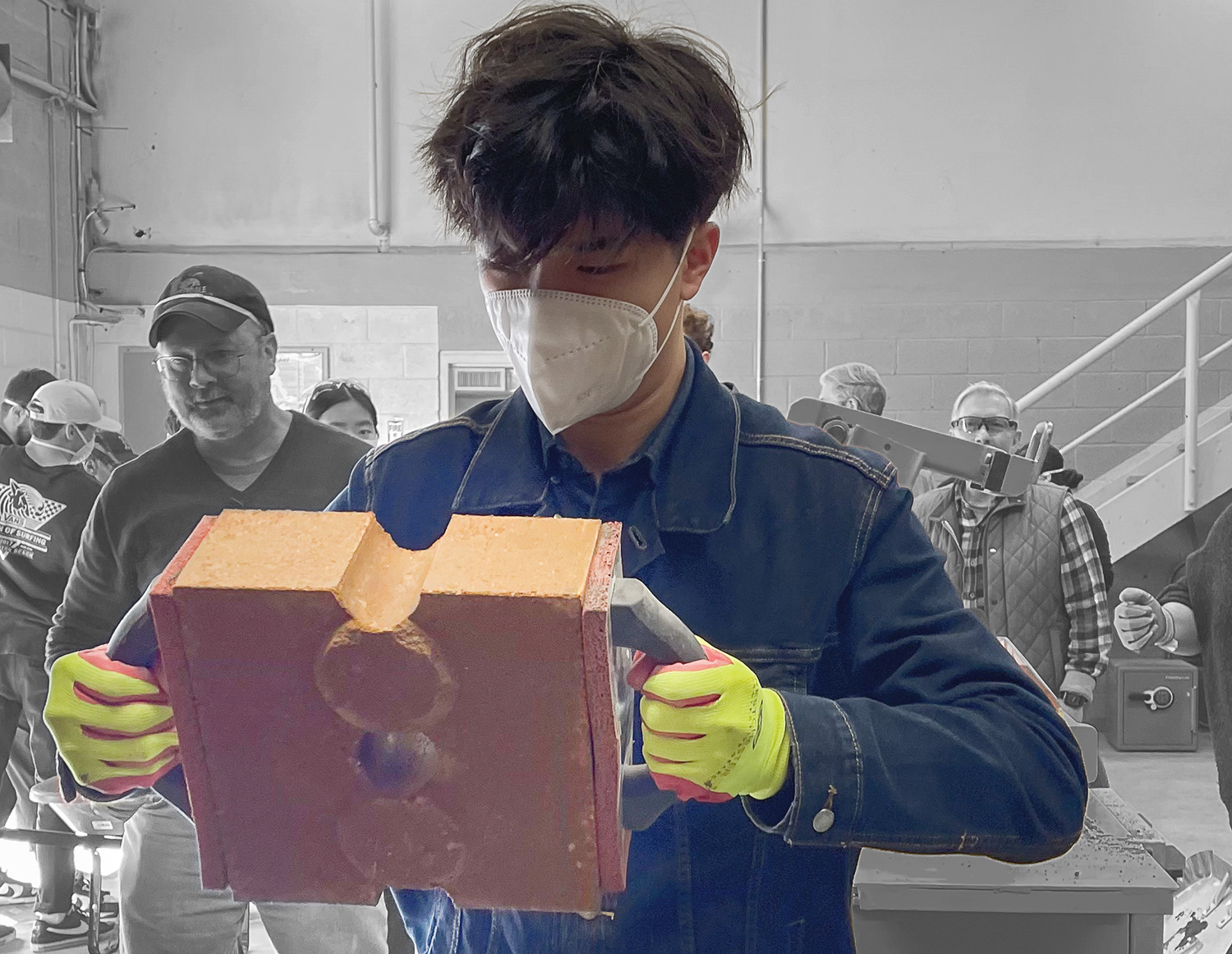
Maricopa County is one of the fastest growing metropolitan regions in the United States. It is also an area facing the distinct prospect of becoming uninhabitable by the end of this century due to extreme heat. As populations and global temperatures increase, sustainable solutions for housing are becoming ever more critical. This is made even more urgent as international manufacturing and supply chains continue to be disrupted and fuel prices reach record levels. In contrast to the ubiquitous stick frame construction in the region, earthen structures provide a buffer against outdoor temperature fluctuations; earth’s capacity to absorb, store, and radiate heat tempers indoor ambient environments. Early inhabitants, such as the Ancestral Sonoran Desert People, and later Spanish missionaries, relied on these properties to shelter from the harsh climate of the Sonoran Desert.
The course will advance the University of Washington and Arizona State University’s mission to leverage place, enable student success, and transform society through use-inspired research. Students and faculty from both programs at the University of Washington and Arizona State University will collaborate through in-person visits and virtual meetings and reviews. This proposal is the first of a multi-year, research studio that will explore how earth-based construction (compressed earth block) might be leveraged for sustainable urban development (housing) in the Phoenix metropolitan region. Each year the studio is offered will be organized according to scale – the scale of a wall, the scale of a family, and the scale of a community. Year one will include material testing; Year two will incorporate construction faculty and students; and in Year three students will work with Real Estate faculty and students to develop an economic model in parallel with an architectural proposal. Knowledge and data will be cumulative, with each studio learning and building from the previous year’s investigations.
Ehsan Sheikholharam
Kennesaw State Univeristy
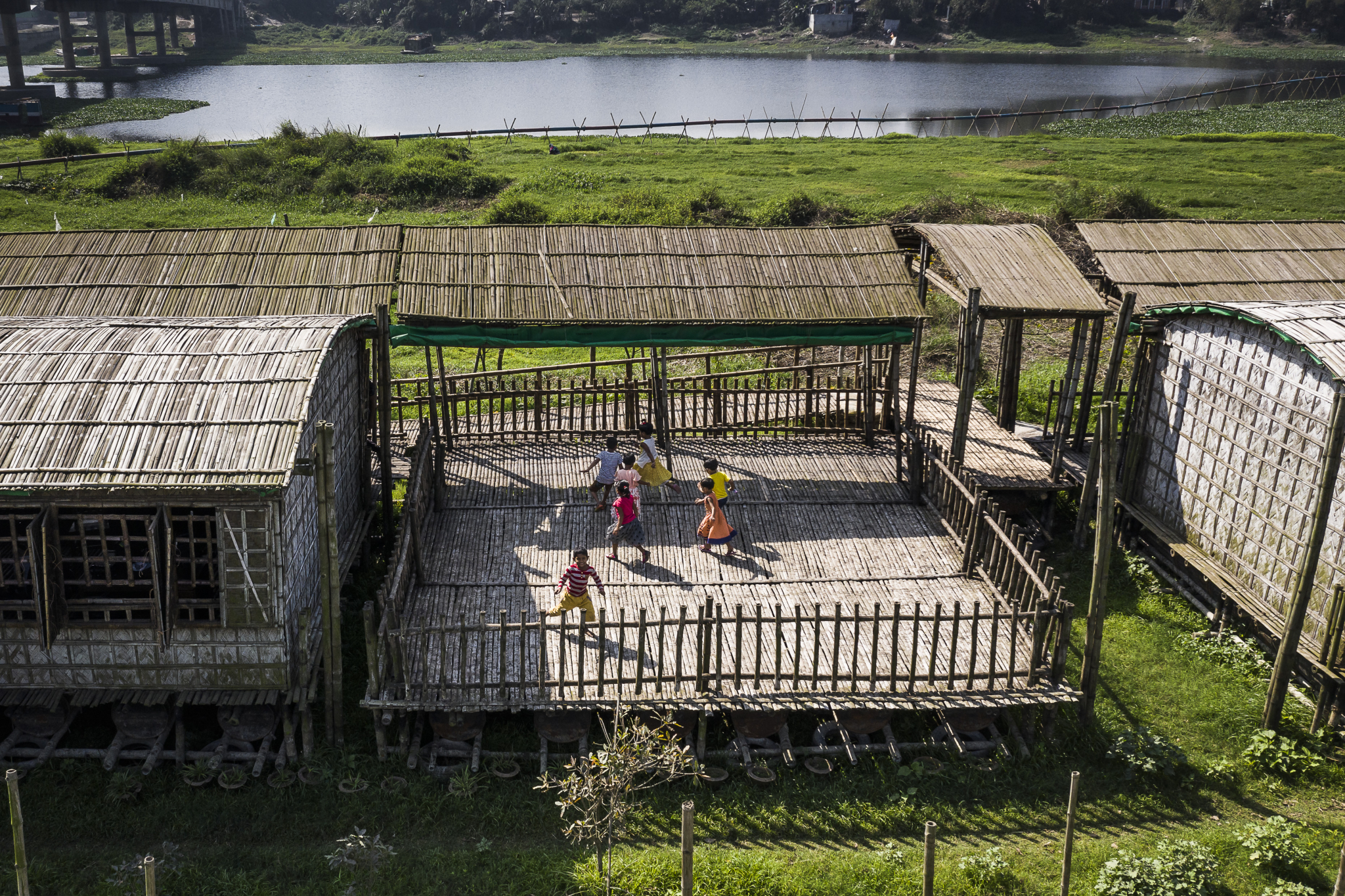
What critical tools do architects have to distinguish equitable and environmentally-just developments from greenwashing? How to shield our practices from the interests of Big Tech, Big Oil, and Big Development in making us believe that smart cities and other technocratic utopias are all good, without also turning into cynics or technophobes? How might architects—whose principal vocation is to build—reconcile with ecologists’ call for degrowth? This upper-level, interdisciplinary seminar offers theoretical grounds for rethinking ecological architecture. The course offers diverse critical perspectives on the ambiguities of green development, the place of human agency in altering Earth’s processes, and the possibility of infinite growth.
The syllabus revolves around three sections: the myth of return, the myth of control, and the myth of (liberal) democracy. The course begins by questioning romanticized visions of an idyllic, preindustrial past. Instead, we explore diverse civilizational genealogies and mythologies on the relationship between the human animal and its environment. The next section highlights the connection between the desire for subjugation, hypermasculinity, coloniality, and privatization. The final cluster underlines the tension between the collective needs of the planet and its precarious inhabitants—whether subaltern communities, climate refugees, or endangered species—with identity-based demands for recognition and rights.
Cynthia Deng & Lucas Hoops
Tecnológico de Monterrey, Querétaro campus
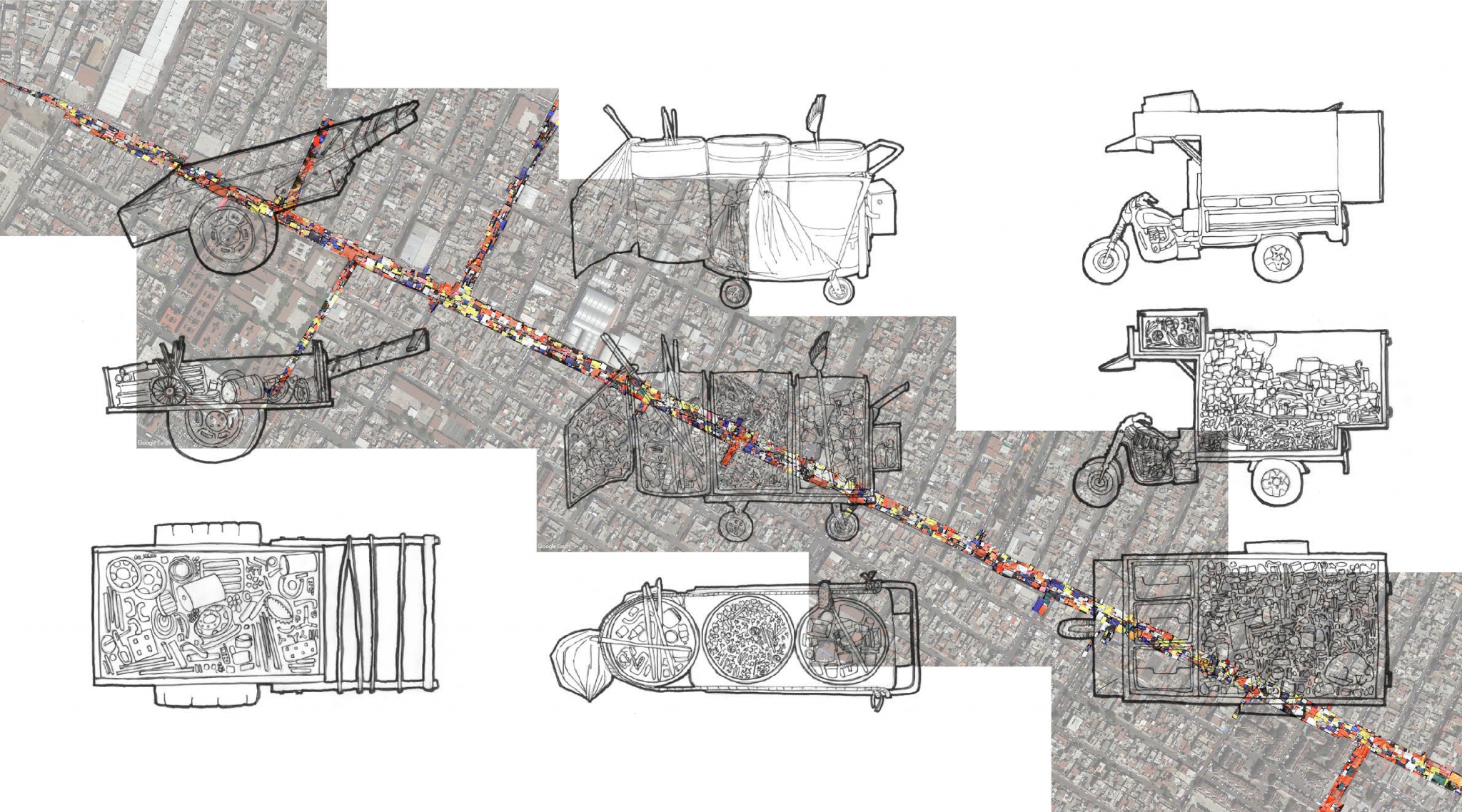
Lifting up alternatives to linear “take, make, use, waste” models of growth, this course expands on the idea that regions and neighborhoods have distinctive ‘repair ecologies’ (as coined by scholar Steven Jackson) or local systems of repair, improvisation, and material recirculation. In the case of Querétaro, existing everyday practices are sites of possibility and distributed creativity: roving metal collector trucks, swap groups, material banks, street markets, mutual aid networks, repair clubs, archipelagos of urban gardens, marches for water rights… Might architects and designers recognize these circularity and solidarity practices as signals of a future to come, growing through the cracks in current extractive economic regimes?
Working alongside organizers of various repair networks and community-led initiatives, this interdisciplinary course explores the possibilities of repair as a point of creative departure and builds an open-source atlas of local repair ecologies. Here, ‘repair’ does not seek to restore past conditions, but adapts to future ones — it is a transformative act of care that ranges from mending things and spaces to reparations and ecological repair. In the research seminar students begin with fieldwork, dialogue, drawing, and mapping. We try to make visible the political and social relationships, the spaces, and the material flows that define Querétaro’s distinctive repair ecologies. The studio then asks how architecture can participate in and build on-within-among these intertwined networks of collective care throughout the city, toward reparative futures and new economies.
Liz Gálvez
University of California, Berkeley
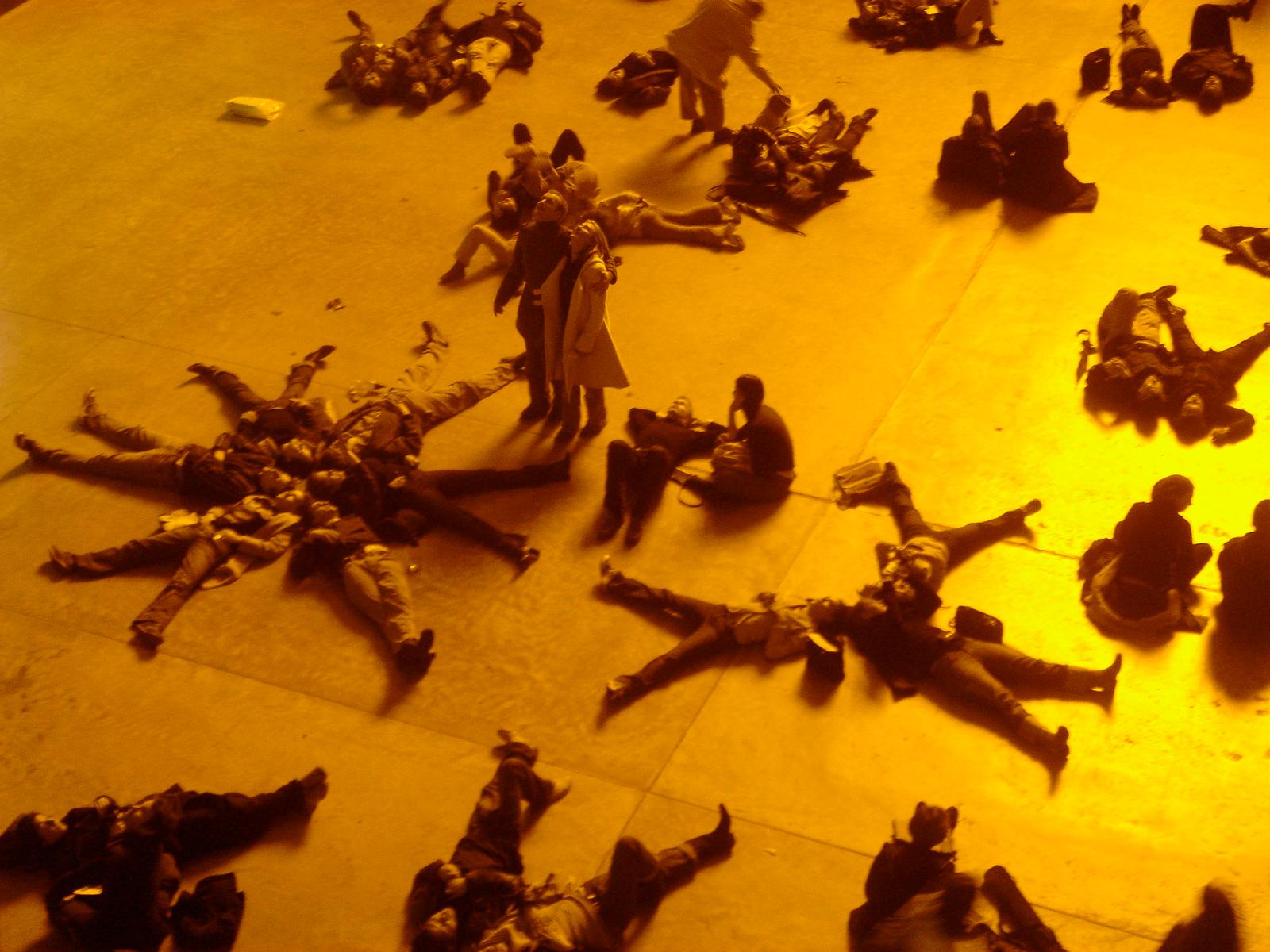
American desert cities designed and built at the turn of the century, in collaboration with the advent of air-conditioning technologies, have been able to house millions of Americans by relying primarily on fossil-fuels to supply relief from extreme hot weather. The Phoenix Metro Area, or The Valley of The Sun as it is known to locals, experienced 145 days reaching temperatures over 100˚F in 2020 according to the National Weather Service. In July of 2023, Phoenix set a new record with 31 days strait of over 110-degree heat. The increased probability of a longer-lasting heat-wave, combined with the over demand of electrical power supply during extreme weather events can be catastrophic, especially to the most vulnerable communities. Today, municipal government, local communities, and grass roots organizations, coupled with environmental researchers in the Phoenix Metro Area have taken note of the risks that heat poses to human livelihoods and are working to develop cooling centers as strategy to deal with heat insecurity.
To address equitable-cooling in relationship with an over-reliance on private mechanical, electrically powered air-conditioning technologies, the course sequence aims to develop a public program that re-thinks the cooling center through the combined re-creation of new social dynamics and new environmentalisms that foreground community resilience through collectivity in desert cities. Working collaboratively with design and building science faculty, students will explore the gap between architectural and environmental thinking to develop conceptual, critical, and evocative, yet possible building proposals that address collective comfort.
Columbia University’s Temple Hoyne Buell Center for the Study of American Architecture was founded in 1982. Its mission is to advance the interdisciplinary study of American architecture, urbanism, and landscape. A separately endowed entity within the Graduate School of Architecture, Planning, and Preservation, it sponsors research projects, workshops, public programs, publications, and awards. In recent years, the Center has convened conversations among overlapping constituencies, including academics, students, professionals, and members of the general public. The Buell Center’s research and programming articulate facts and frameworks that modify key assumptions governing architectural scholarship and practice.
This prize was begun as part of a Buell Center project entitled “Power: Infrastructure in America,“ which examined the intersections of climate, infrastructure, and architecture. It is being continued in the current project on Architecture and Land in and out of the Americas, which addresses the topic of land in its historical significance and contemporary relevance. This plural, Americas, helps expand the Center’s mission in two ways: by connecting building practices across the Western Hemisphere, and by recognizing that there are several Americas within the United States. The project has involved lecture series, as well as an exhibition design, “100 links” and research booklet that are currently on view at the Chicago Architecture Biennial.

The mission of the Association of Collegiate Schools of Architecture is to lead architectural education and research.
Founded in 1912 by 10 charter members, ACSA is a 501(c)(3) nonprofit association of over 200 member schools in several categories. These include full membership for all accredited programs in the United States and government-sanctioned schools in Canada, candidate membership for schools seeking accreditation, and affiliate membership for schools for two-year and international programs. Through these schools, over 5,000 architecture faculty are represented.
ACSA, unique in its representative role for schools of architecture, provides a forum for ideas on the leading edge of architectural thought. Issues that will affect the architectural profession in the future are being examined today in ACSA member schools. The association maintains a variety of activities that influence, communicate, and record important issues. Such endeavors include scholarly meetings, workshops, publications, awards and competition programs, support for architectural research, policy development, and liaison with allied organizations.
ACSA seeks to empower faculty and schools to educate increasingly diverse students, expand disciplinary impacts, and create knowledge for the advancement of architecture.

Founded in 1912 by 10 charter members, ACSA is an international association of architecture schools preparing future architects, designers, and change agents. Our membership includes all of the accredited professional degree programs in the United States and Canada, as well as international schools and 2- and 4-year programs. Together ACSA schools represent some 7,000 faculty educating more than 40,000 students.
Enter your name and email below, and we’ll send you the latest ACSA news and events.
© Copyright 2026 ACSA