
 Study Architecture
  ProPEL
 Conference Overview
Submission Deadline (Extended): October 8, 2025
The ACSA Annual Meeting convenes educators, practitioners, and students from around the world to share research and explore the past and future of architecture, design, and allied disciplines. The 114th Annual Meeting will provide multiple opportunities for scholarly exchange in Chicago, March 26-28, 2026.
Theme
CONVERGENCE / DIVERGENCE: Designing Futures in Architecture and Education
The work of design sits at the nexus of numerous forces, simultaneously channeling, responding to, and reflecting these forces. The products and processes of design can be seen to converge toward shared values and methodologies and to diverge in ways that embrace plurality, disruption, and innovation. The 114th ACSA Annual Meeting will emphasize the transformative potential of design thinking, convening educators, practitioners, and students into conversations about architectural pedagogy and production. The architectural history of Chicago will add to the context through tours and connections with the local schools and firms.


Conference Organization
The ACSA Annual Meeting supports the needs of architecture faculty and enhances architectural education and research. ACSA aims to create an inclusive, transparent, and impactful program that elevates, addresses, and disseminates knowledge on pressing concerns in society through the agency of architecture and allied disciplines.
The ACSA114 Annual Meeting Committee, has combined representation of ACSA members, the ACSA board and ACSA staff. The ACSA114 conference leadership is intended to increase transparency and inclusivity while keeping in mind effectiveness and maintaining rigor. The committee’s primary deliverable is the peer-reviewed content, along with themed sessions.
Steering Committee
Responsible for the non-peer reviewed content of the conference, including a theme that guides identification of plenary talks and invited panel sessions. The committee will also curate workshops, local engagement and other conference activities.
- José L.S. Gámez, University of North Carolina at Charlotte
- Reed Kroloff, Illinois Institute of Technology
- Francisco J. Rodríguez-Suárez, University of Illinois, Urbana-Champaign
Reviews Committee
Responsible for overseeing the peer-review process, which includes matching reviewer’s expertise with that of the submission, as well as designating sessions and moderators. Sessions will be composed of both papers and projects, when possible, allowing for scholarly and applied research to mutually demonstrate impact and inform one another.
- George Epolito, Florida Agricultural and Mechanical University
- José L.S. Gámez, University of North Carolina at Charlotte
- Liane A. Hancock, University of New Mexico
- Ming Hu, University of Notre Dame
- Katie Macdonald, University of Virginia
- Erin Moore, University of Oregon
- June Williamson, City College of New York
RESEARCH SUBMISSION UPDATES
Authors may submit one of three types of work for double-blind peer review: Full Papers, Design Projects, or Short Papers. Authors whose submissions receive high ratings will be invited to present at the in-person conference and have their work published in the conference proceedings. To simplify the submission process, we have eliminated the previous multi-stages. Authors are required to complete an initial full submission by the deadline, rather than beginning with an abstract.
Annual Meeting Topics
The Annual Meeting Committee will maintain topics year to year in order to address the diversity of our members scholarly, creative and pedagogic interests. This consistent and we hope inclusive list of topics will also ensure an annual venue for all members to submit to an ACSA conference.
Building Science & Technology
Design
Digital Technology
Ecology
Health
History, Theory, Criticism
Pedagogy
Practice
Society + Community
Urbanism
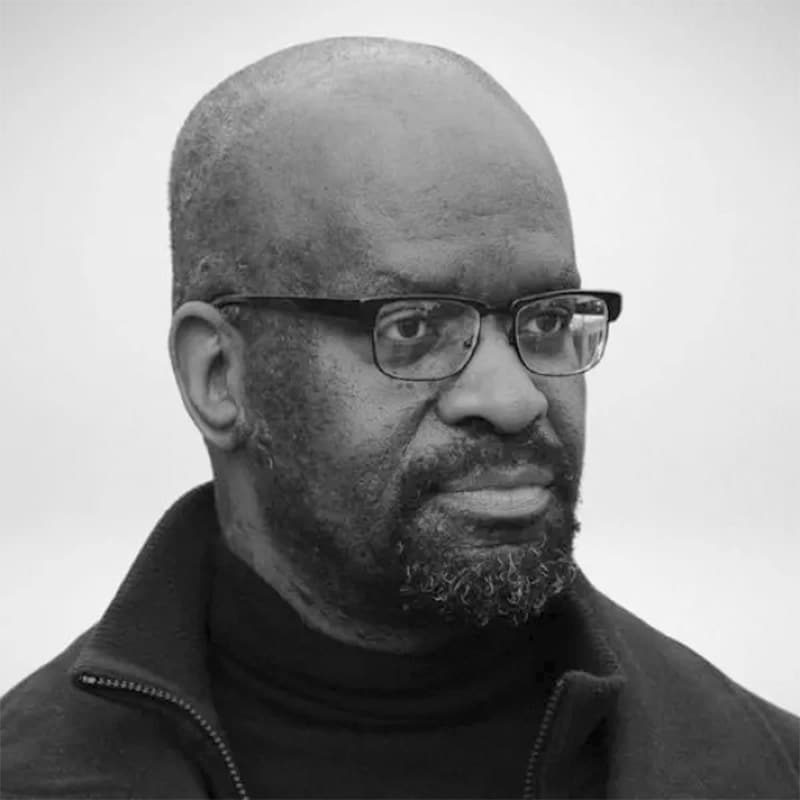
Lee Bey
Lee Bey
Moderator
Lee Bey is the author of the well-received book “Southern Exposure: The Overlooked Architecture of Chicago’s South Side” and was the Emmy-nominated host of the WTTW special “Building Blocks: The Architecture of Chicago’s South Side.”
Read More
Bey is an editorial writer for the Chicago Sun-Times. He previously held several positions in organizations involved in planning, development and architecture, and was also deputy chief of staff for architecture and urban planning in the administration of Mayor Richard M. Daley. Bey is now working on a book about architecture on the West Side. He lives in an 1893 rowhouse in Chicago’s historic Pullman community.
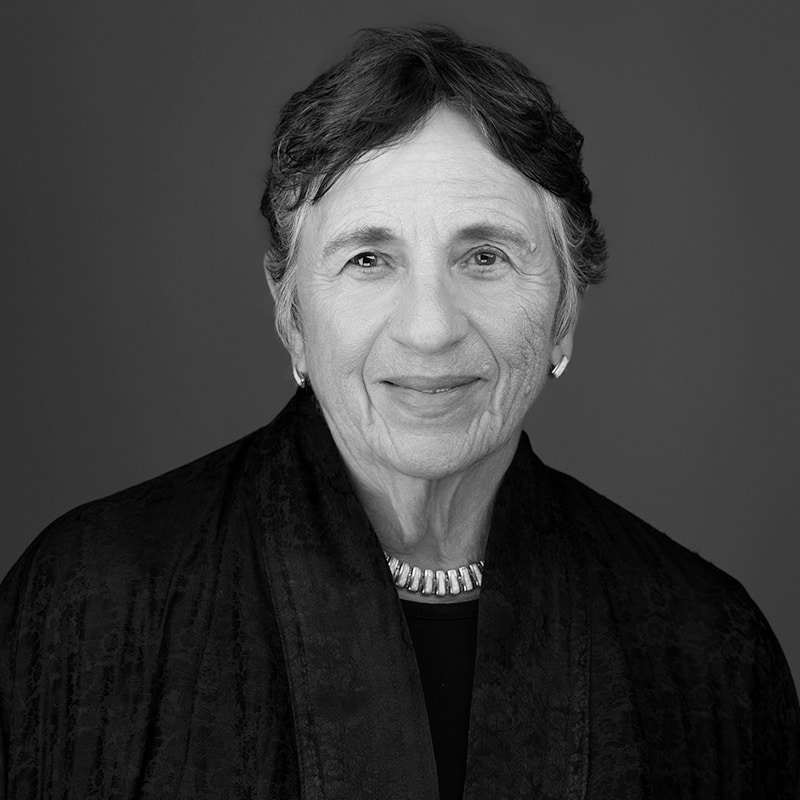
Carol Ross Barney (Image: Michele Marie Photography)
Carol Ross Barney
Panelist
Carol Ross Barney, FAIA, HASLA, was honored with the 2023 American Institute of Architects Gold Medal, recognizing her as a visionary architect, urbanist, mentor, and educator. Throughout her career, she has relentlessly advocated that excellent design is a right, not a privilege.
Read More
Dedicated to design of public buildings and spaces, her exploration into the power of how the built environment can improve our daily lives has produced distinctive structures and places that have become cultural icons.
Carol is a graduate of the University of Illinois and served as a U.S. Peace Corps volunteer in Costa Rica planning national parks. She has taught an advanced Design Studio at the Illinois Institute of Technology for over thirty years.

Eleanor Gorski
Eleanor Gorski
Panelist
Eleanor Esser Gorski, AIA, is the CEO and President of the Chicago Architecture Center (CAC), the leading organization devoted to celebrating and promoting Chicago as a center of architectural innovation and education. A licensed architect, Gorski brings more than 25 years of experience in design, planning and historic preservation to the CAC.
Read More
Since taking the helm in 2022, she has broadened the organization’s focus beyond downtown, ensuring that the CAC’s work benefits Chicago’s diverse neighborhoods. Previously, Gorski served as Director of Design and Planning for the University of Illinois at Chicago, Acting Commissioner of the City of Chicago Department of Planning and Development (DPD) and Executive Director of the Cook County Land Bank Authority. Gorski has held many other leadership roles within the City, including director of the Landmarks Commission.
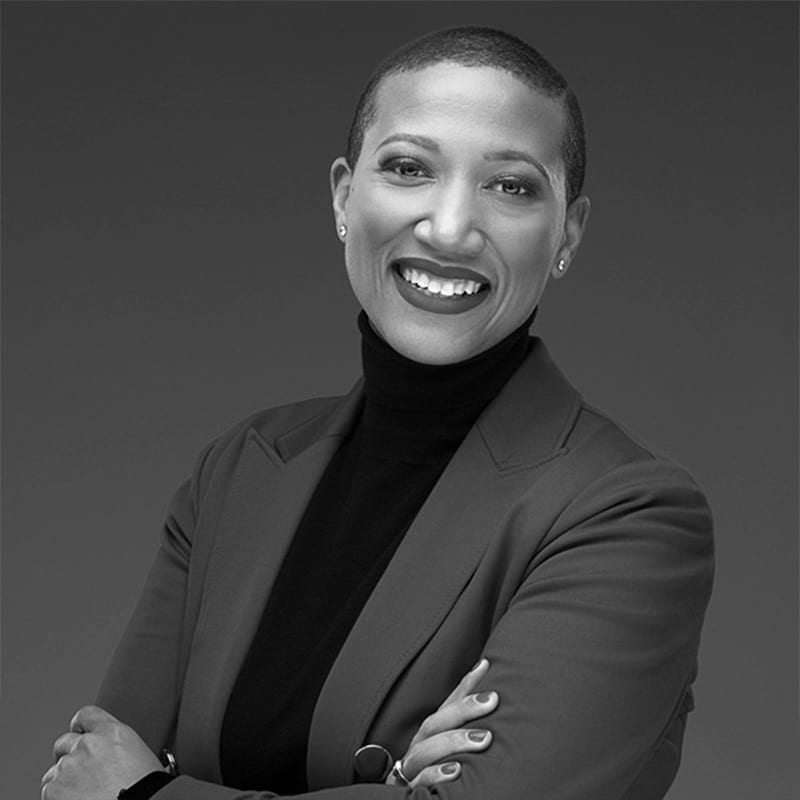
Kimberly Dowdell
Kimberly Dowdell
Panelist
Kimberly Dowdell is an award-winning architect and building industry leader. In her current role as Vice President of Strategic Partnerships with Amrize, she is working to advance innovation in the delivery of critical infrastructure and building solutions in all construction markets, from foundation to rooftop.
Read More
She is a trustee at Cornell University and the National Building Museum, and she also serves as a board member for several key civic organizations in Chicago. Inspired by her early-life in Detroit, Michigan, Dowdell was initially driven to use architecture as a tool for urban revitalization. She holds a Bachelor of Architecture from Cornell University and a Master of Public Administration from Harvard University. Her overarching mission is to improve the quality of people’s lives, by design.
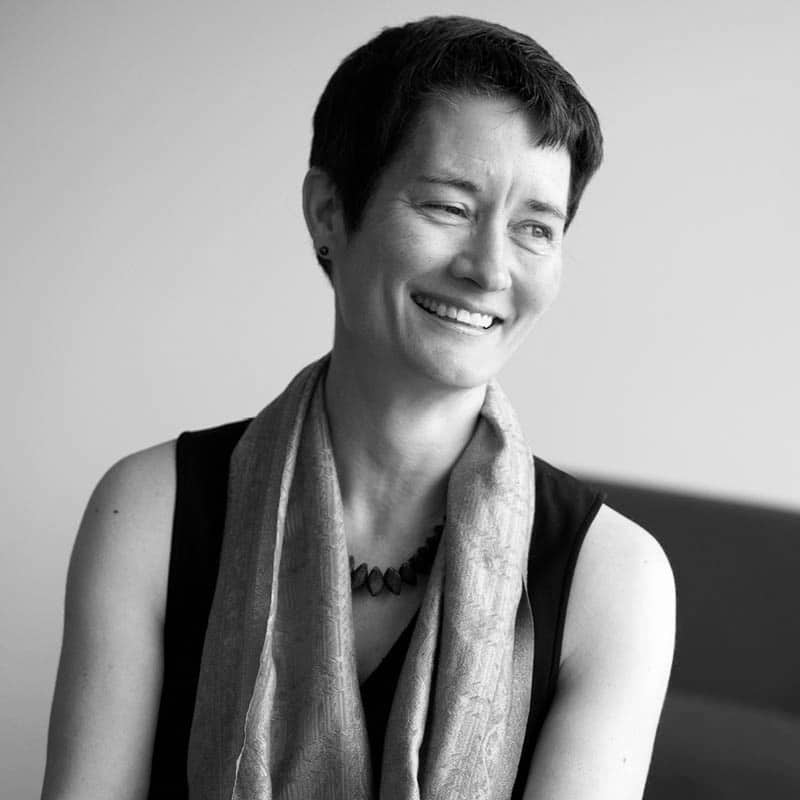
Sarah M. Whiting, Harvard GSD
Sarah M. Whiting
Harvard University
Whiting’s career is distinguished by her dual role as a leading educator and a practicing architect with her firm, WW Architecture. This unique position has allowed her to bridge the gap between academic theory and real-world practice, enriching both. Her leadership, first as dean at the Rice School of Architecture and now at the Harvard GSD, has been marked by a steadfast commitment to rethinking how architects are trained and how they can positively affect the world.
As the first female dean at Harvard GSD, Whiting has guided the institution through significant cultural and academic transitions. She has championed a healthier studio culture, broadened perspectives on the historical architectural canon, and cultivated a more inclusive and collaborative atmosphere. Her leadership has been described as steady, principled, and clear, particularly in navigating the global disruptions of the pandemic and present cultural pressures.
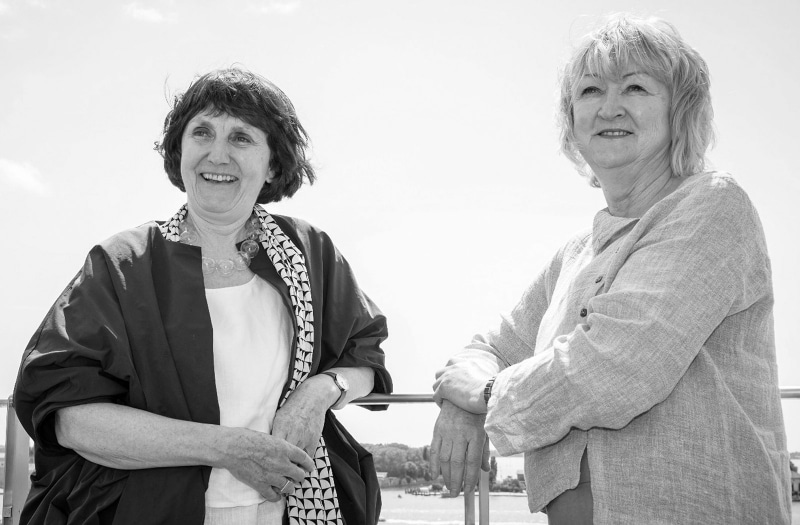
Shelley McNamara and Yvonne Farrell (Andrea Avezzu/Venice Biennale)
Yvonne Farrell and Shelley McNamara
Grafton Architects
The duo, Yvonne Farrell and Shelley McNamara, co-founded Grafton Architects in 1978 following their graduation from University College Dublin in 1974. The Dublin-based architecture studio has completed projects across Europe, South America, and North America, with notable projects including the London School of Economics, the University Campus at UTEC Lima, the Anthony Timberlands Center in Arkansas, and the Urban Institute of Ireland in Dublin.
Grafton Architects have won numerous awards, including the 2021 RIBA Stirling Prize and the European Union Prize for Contemporary Architecture – the Mies van der Rohe Award. Farrell and McNamara are Fellows of the RIAI, International Honorary Fellows of the RIBA, elected members of Aosdána, the eminent Irish Art organisation, and were selected as the 2020 Pritzker Prize Laureates.
Conference Partners

Questions
Michelle Sturges
Conferences Manager
202-785-2324
msturges@acsa-arch.org
Eric W. Ellis
Sr. Director of Operations and Programs
202-785-2324
eellis@acsa-arch.org


