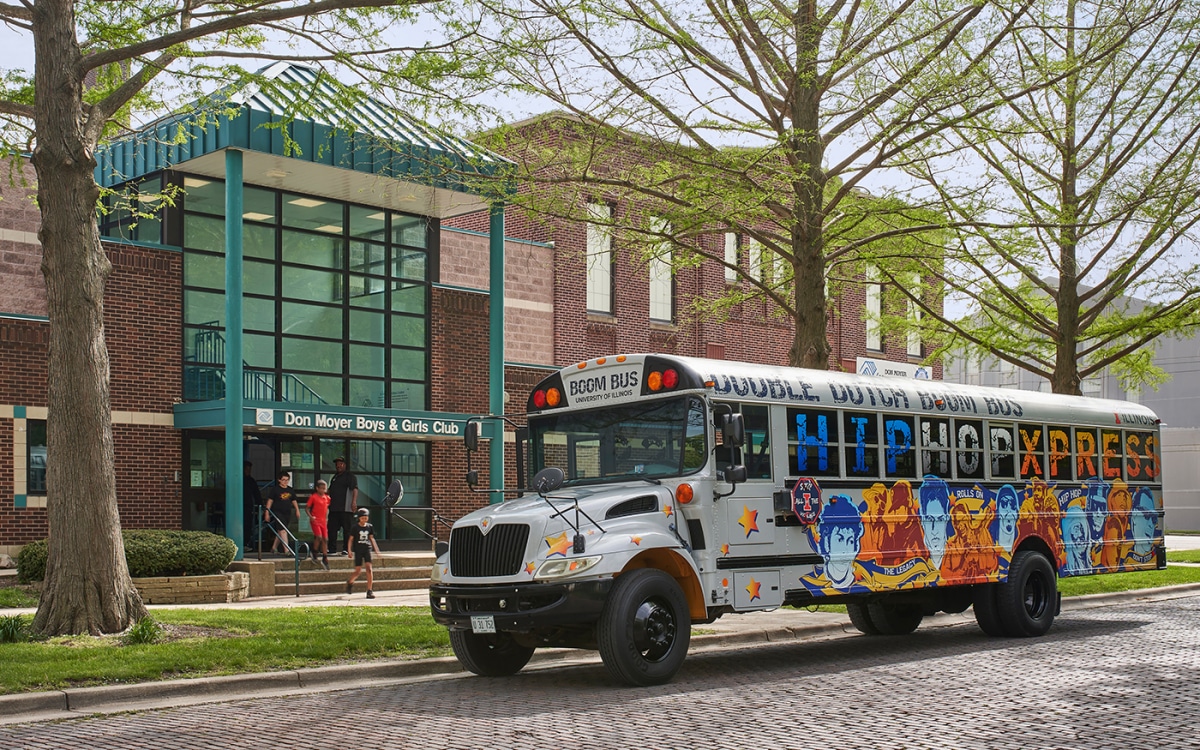
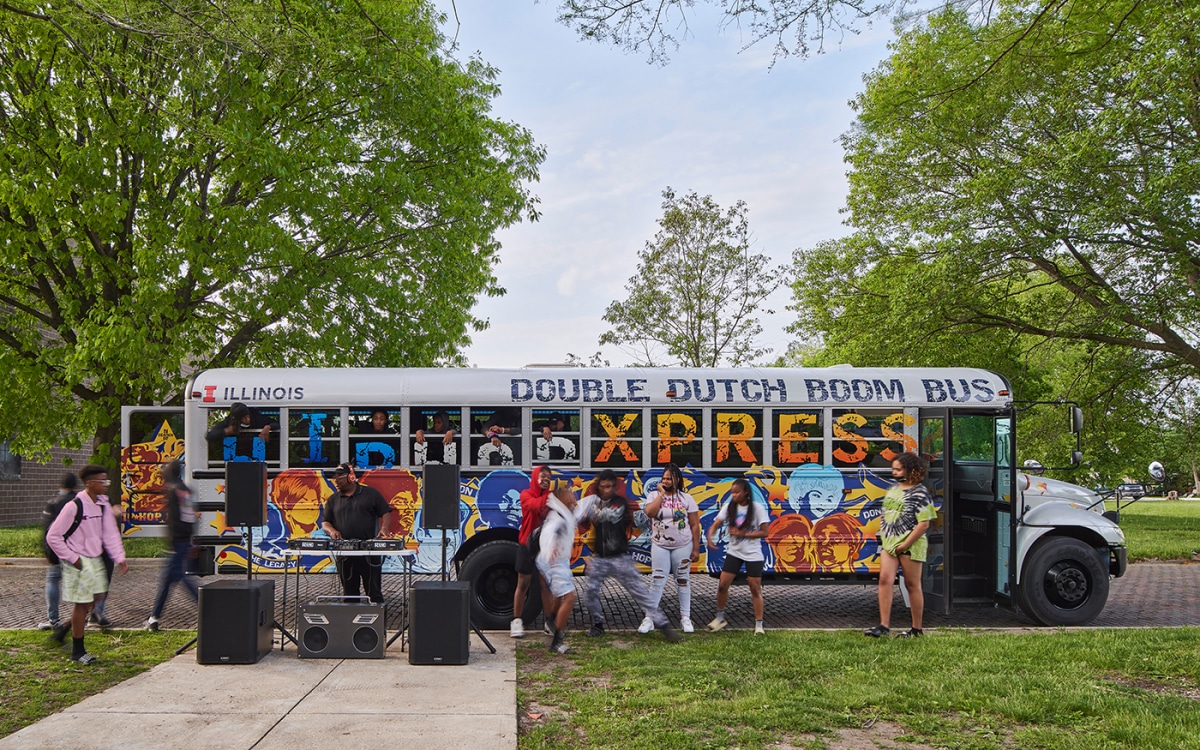
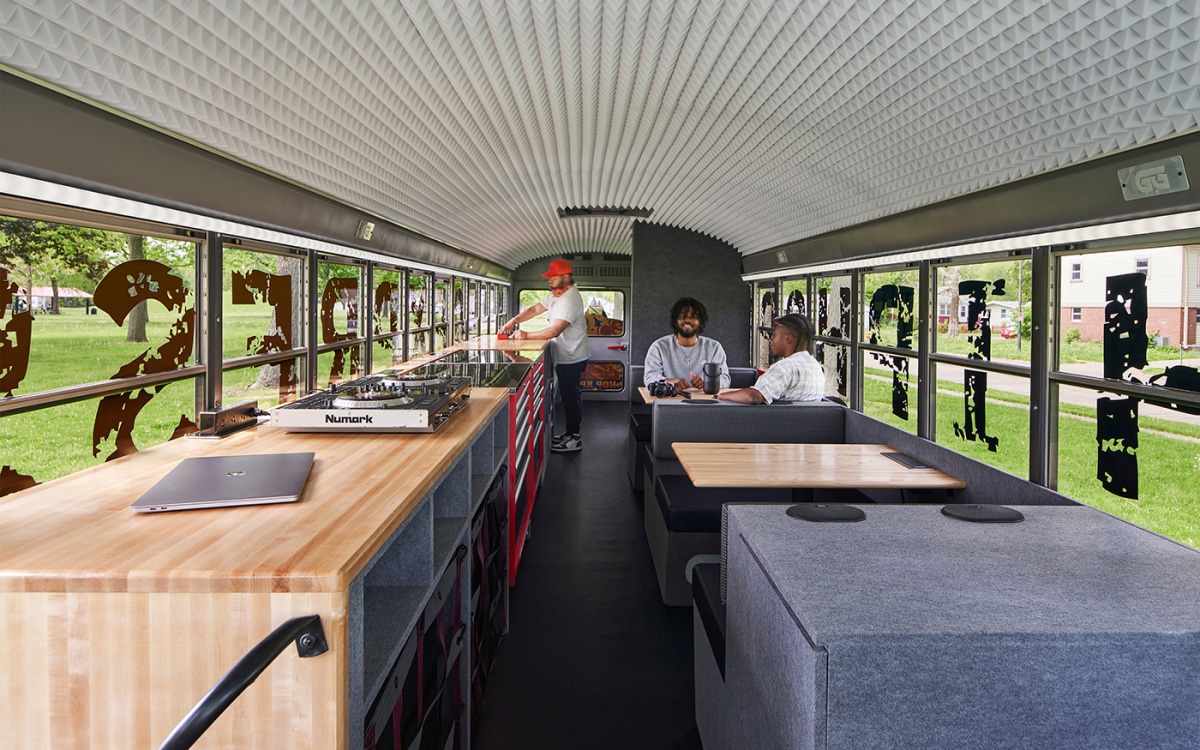
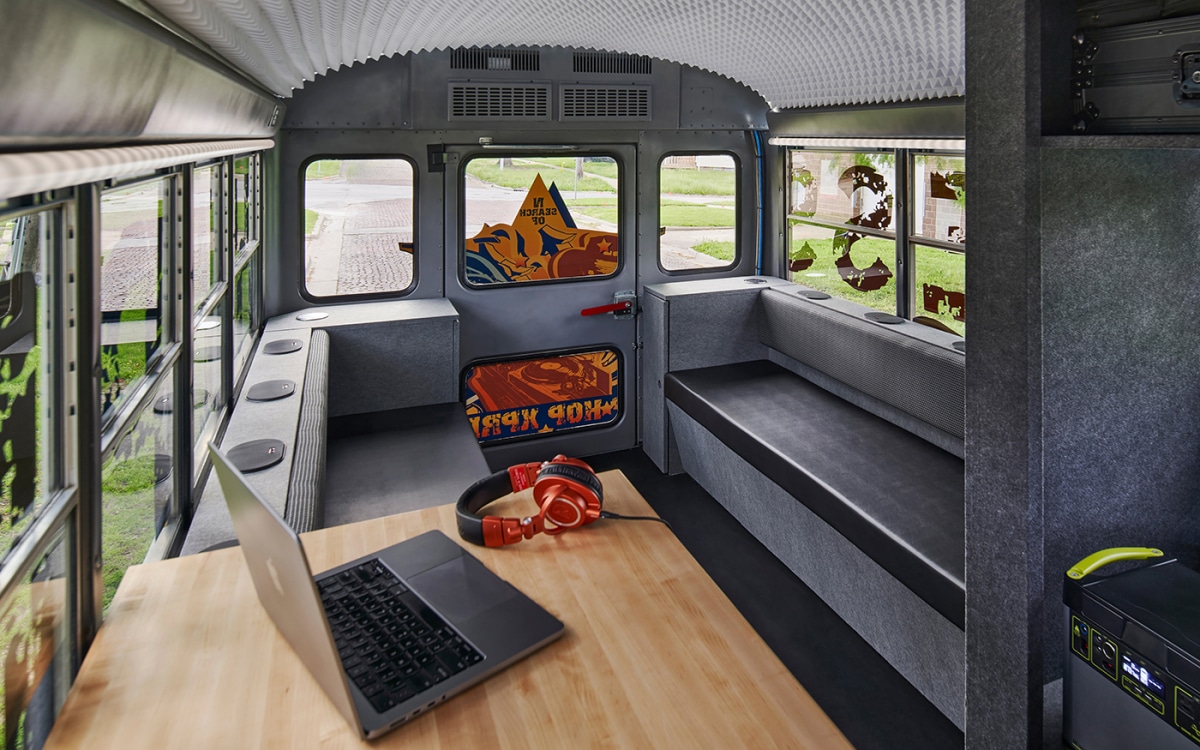
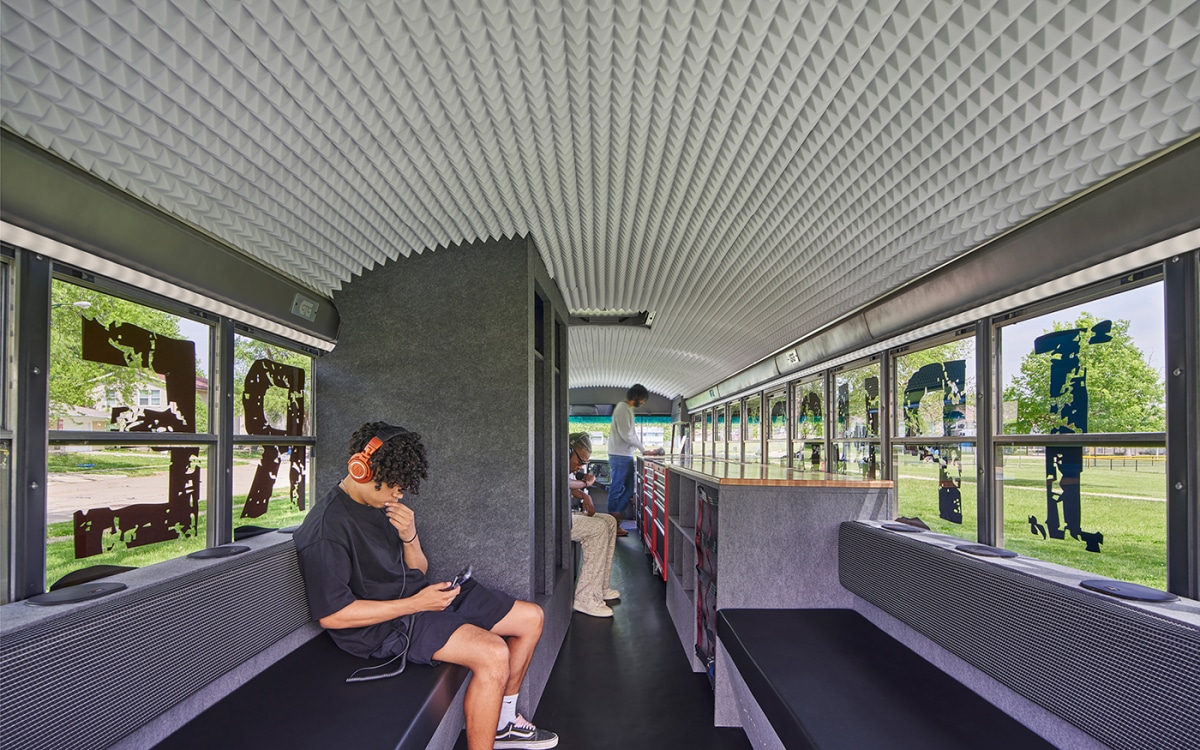
The Hip-Hop Xpress is an internet-connected mobile classroom, recording studio, and performance venue that links communities across our state through a variety of programmed events and outreach initiatives. Inspired by George Washington Carver’s Jesup Wagon, Xpress travels to parks, community centers, schools, universities, and parking lots to spark connections among different generations, highlight Black cultural legacies, and invite young people to try new activities, all inspired by Hip Hop and its antecedents.
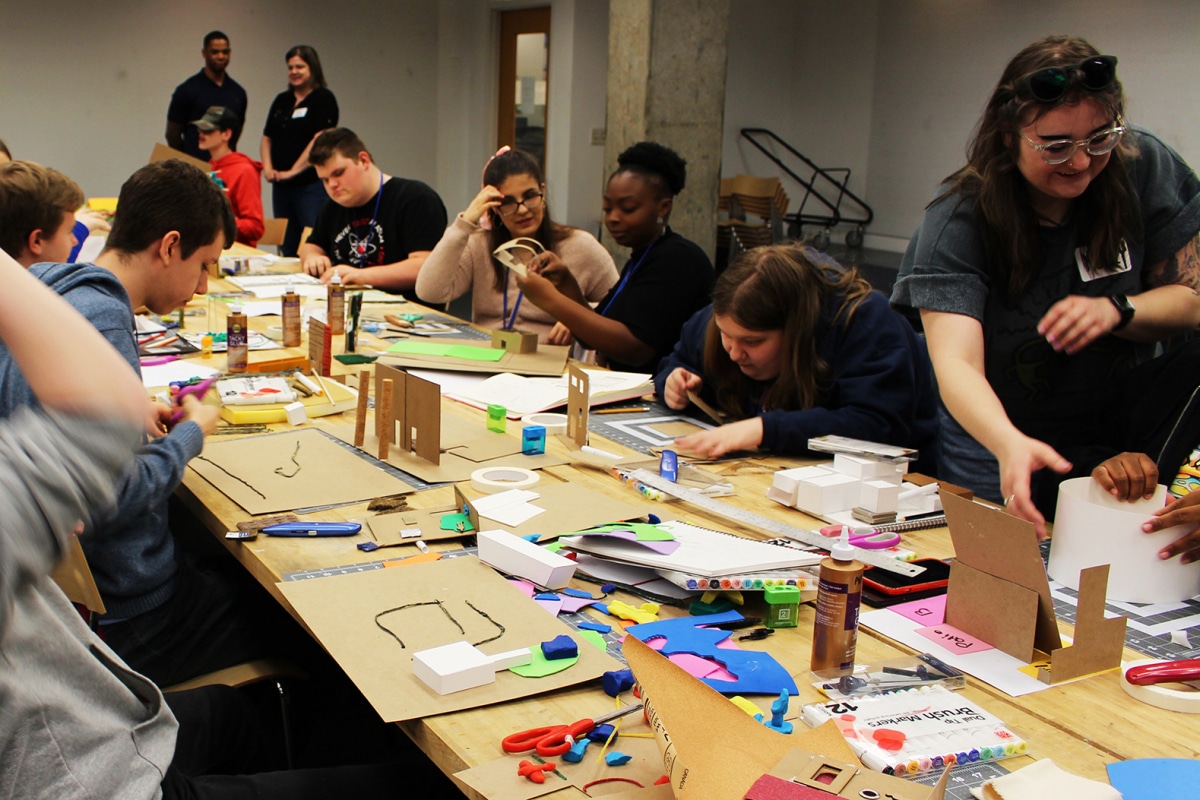
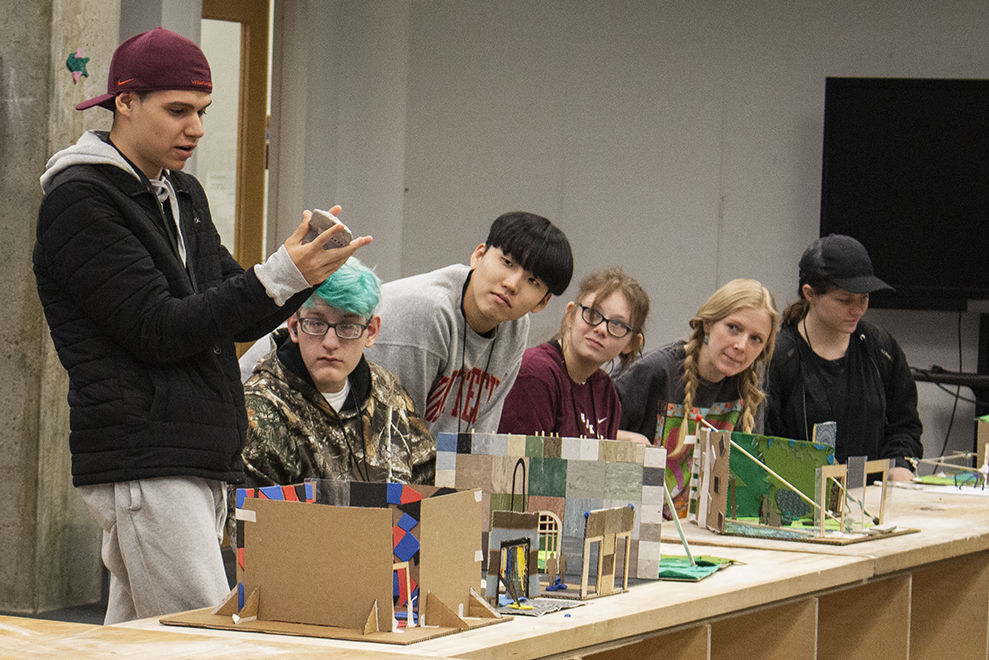
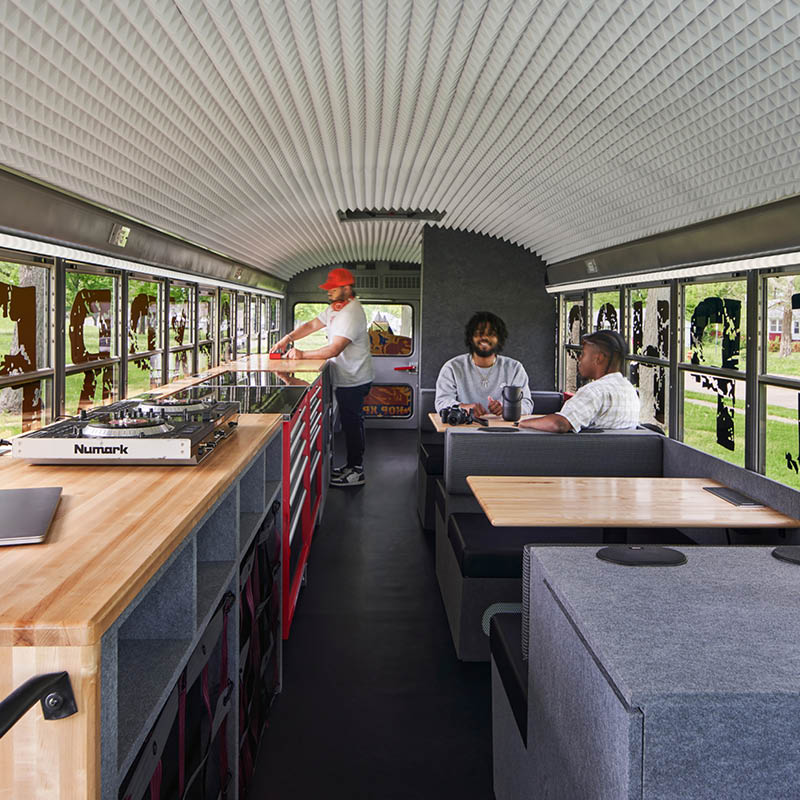
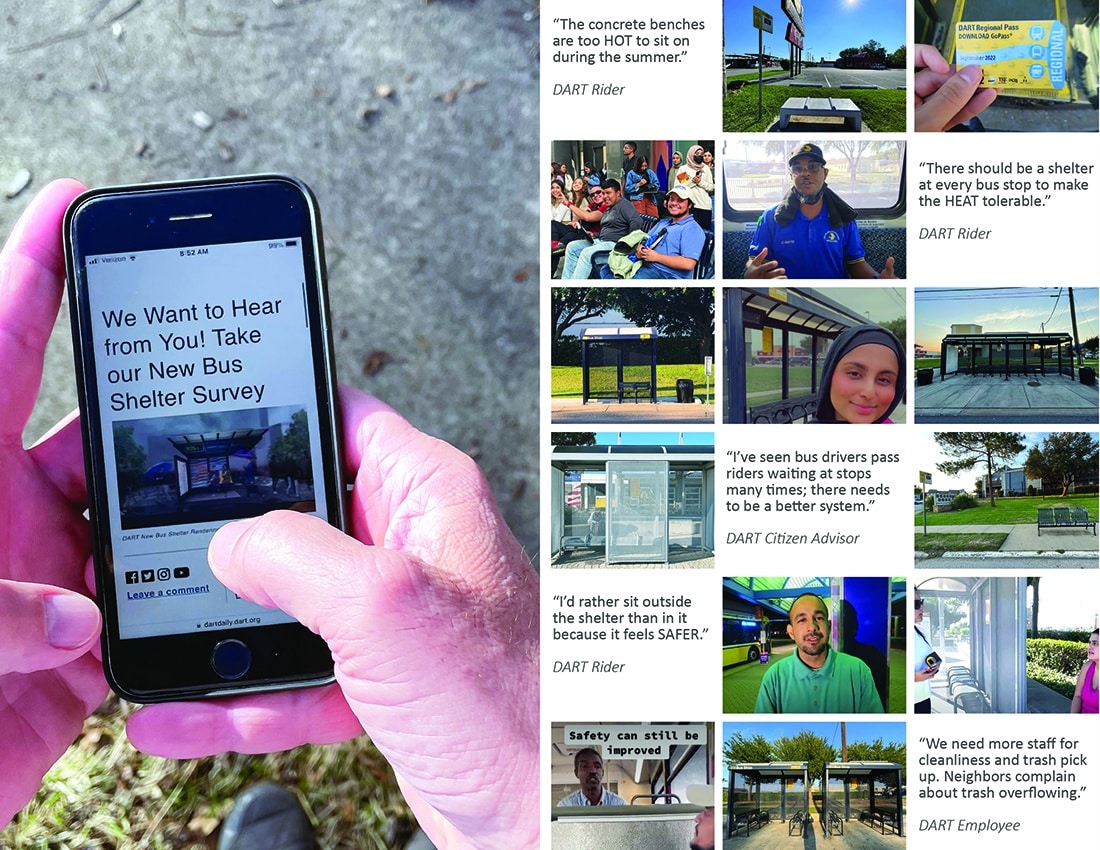
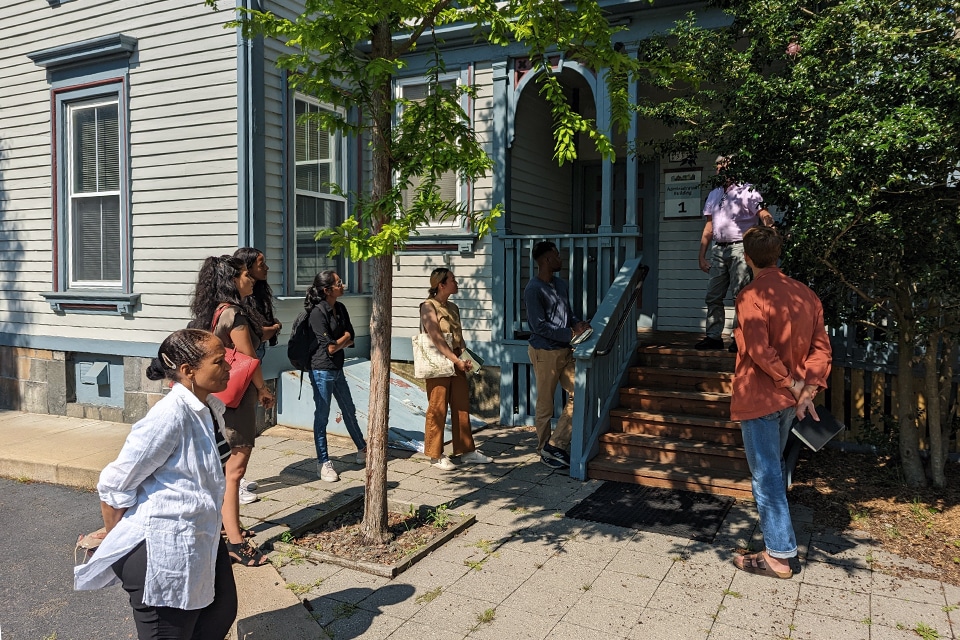
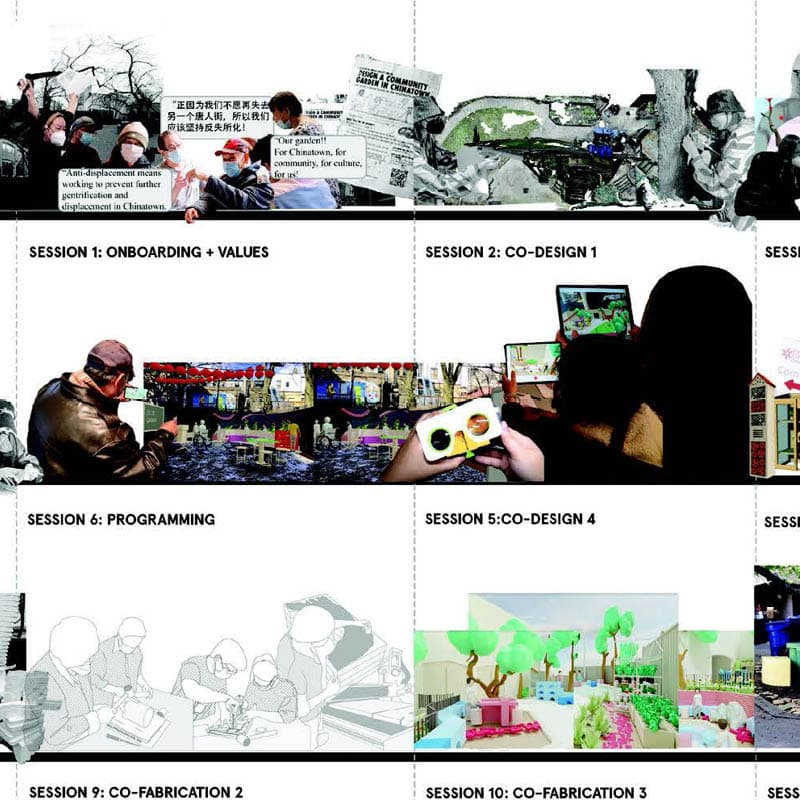
Our team undertook a multi-year process of engagement with community stakeholders, hosted participatory design events, and toured the emptied bus to test functionality. Three primary needs emerged that shaped the interior configuration: a gathering space for collaboration, a multi-purpose workbench, and seating booths for focused work.
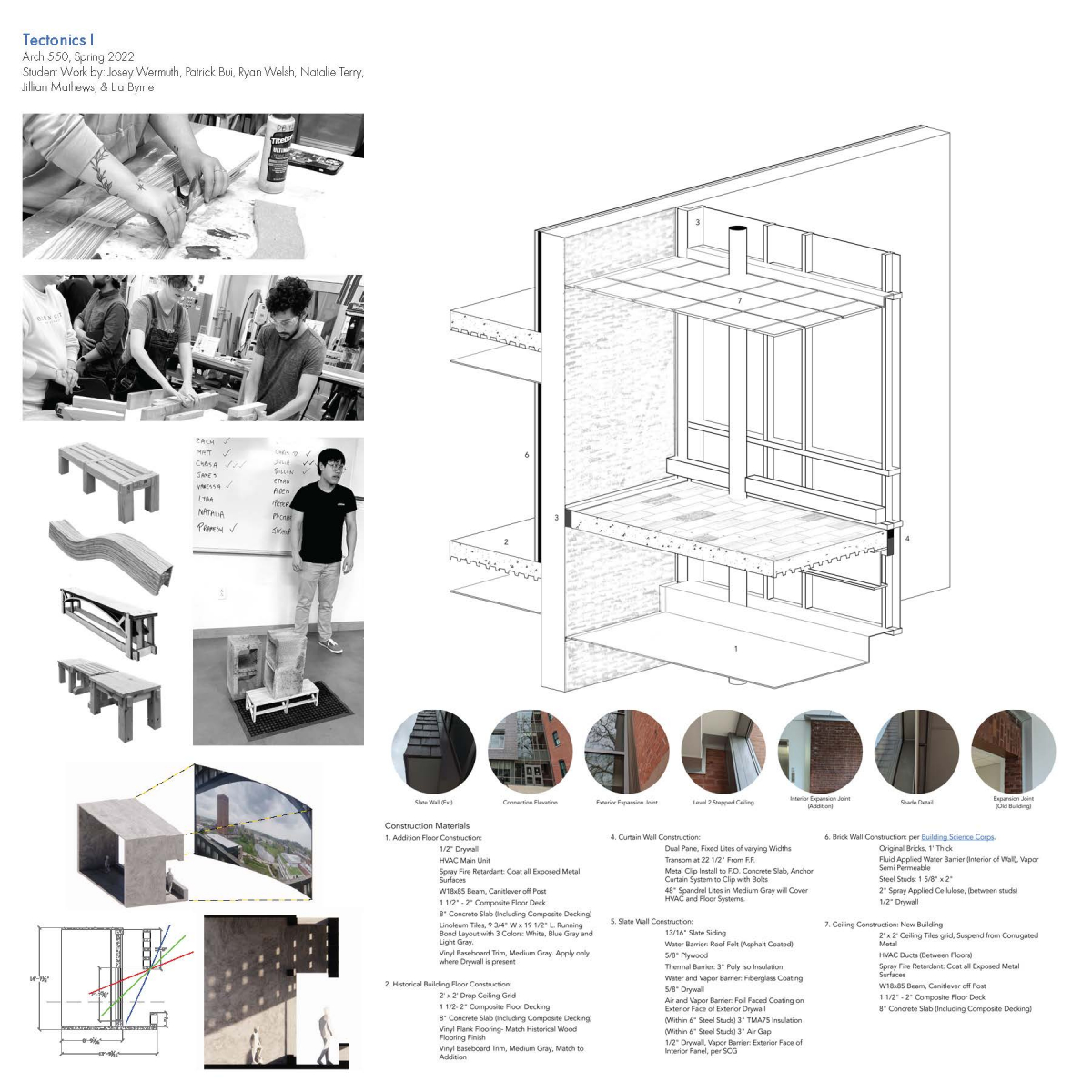
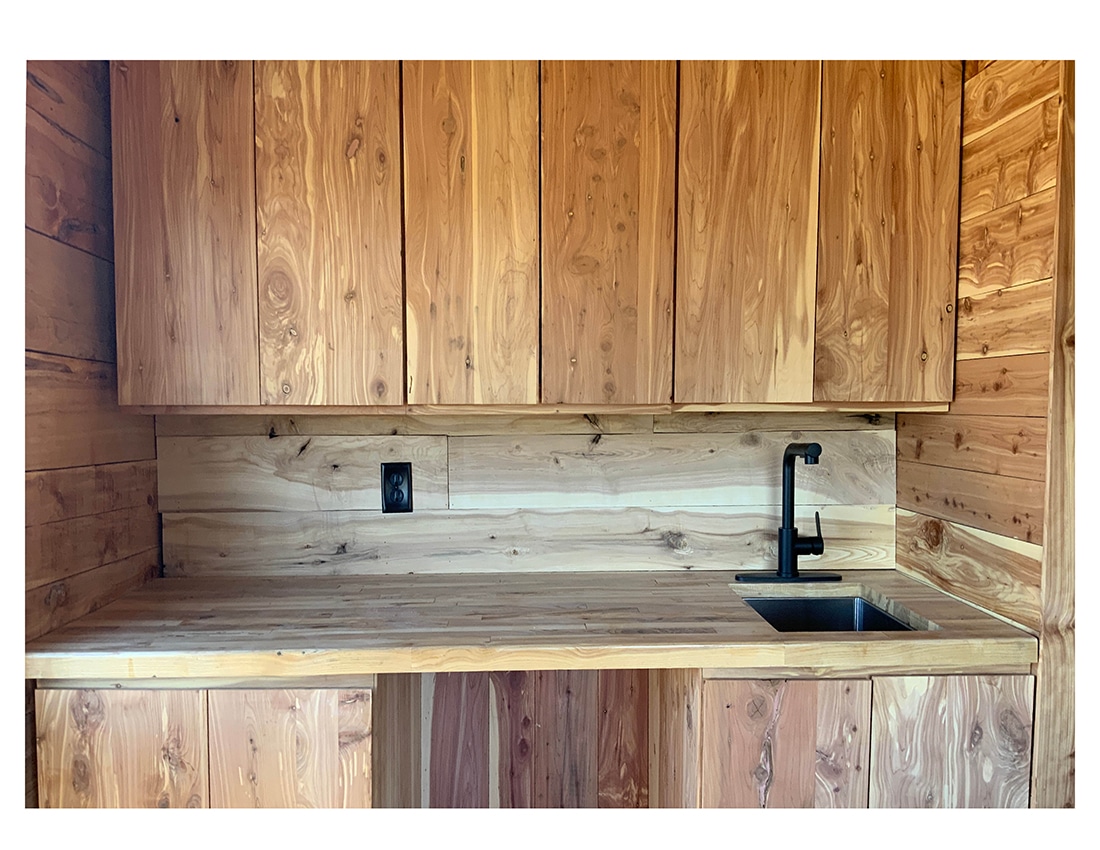
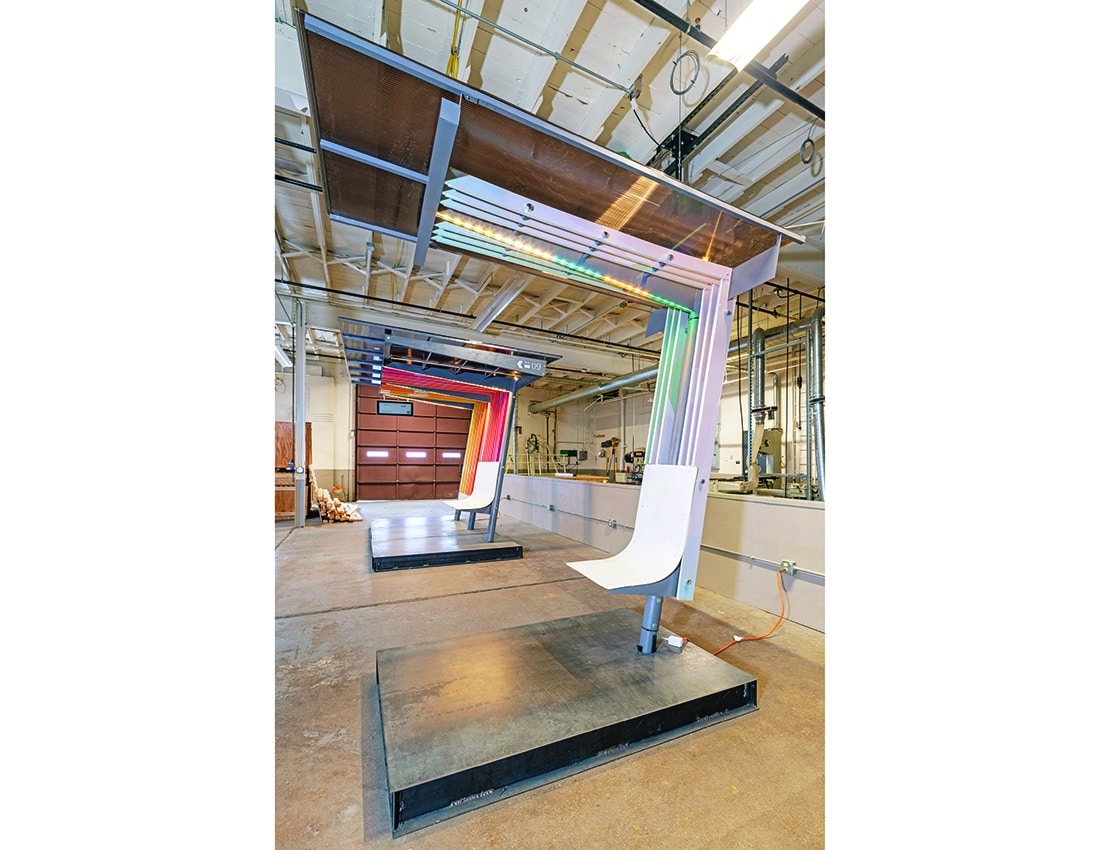
We envisioned the interior as a scaffolding that can evolve over time. Ten furniture pieces were developed with multiple functions: seating, storage, power supply, sound production, lighting, acoustic dampening, transportation safety, and overall durability considerations for a moving vehicle.
The bus is powered by a solar array, providing enough capacity for most interior functions – except subwoofers. The majority of materials were sourced within a 500-miles radius. Items removed during demolition were recycled, reused or will be incorporated into a future design-build project.
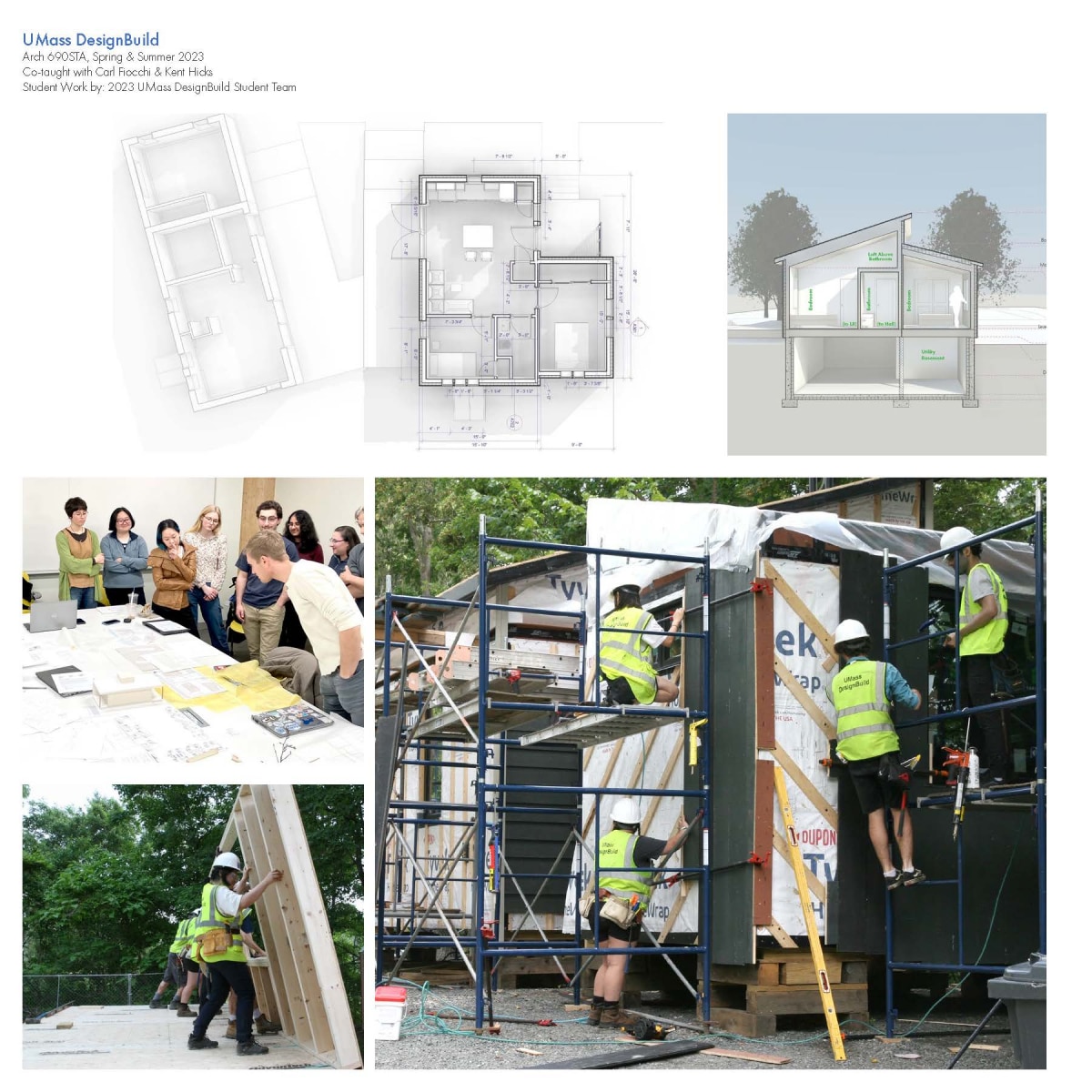
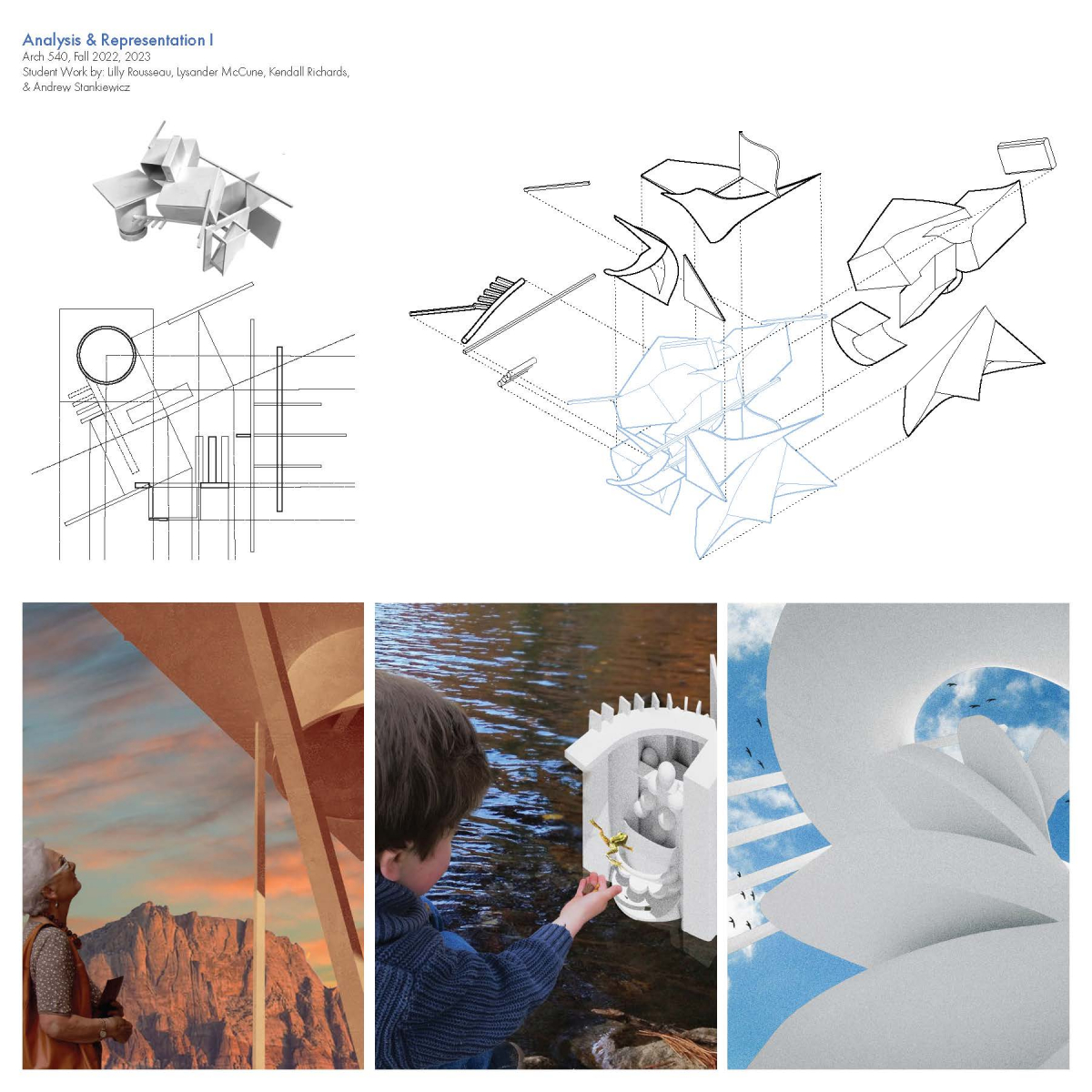
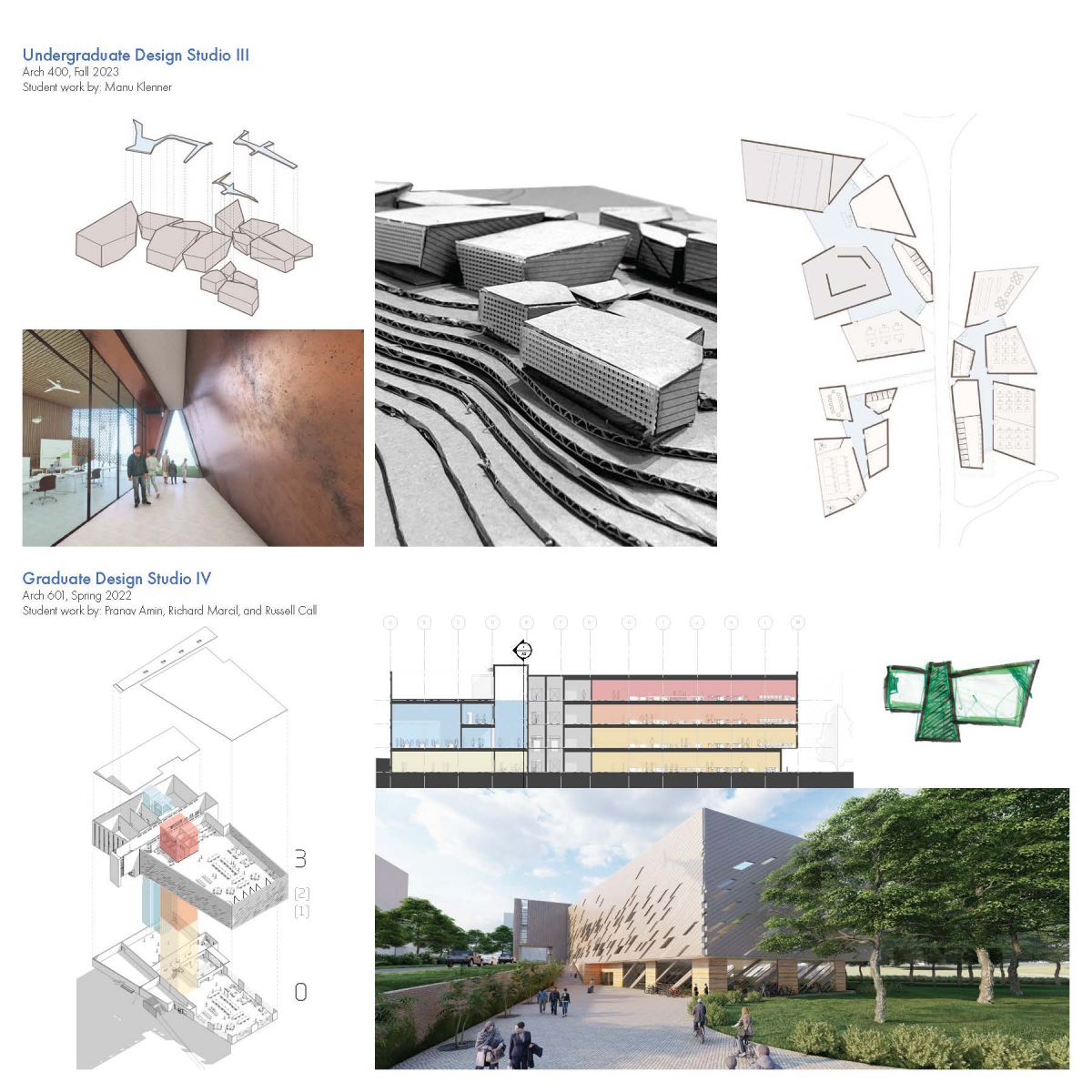
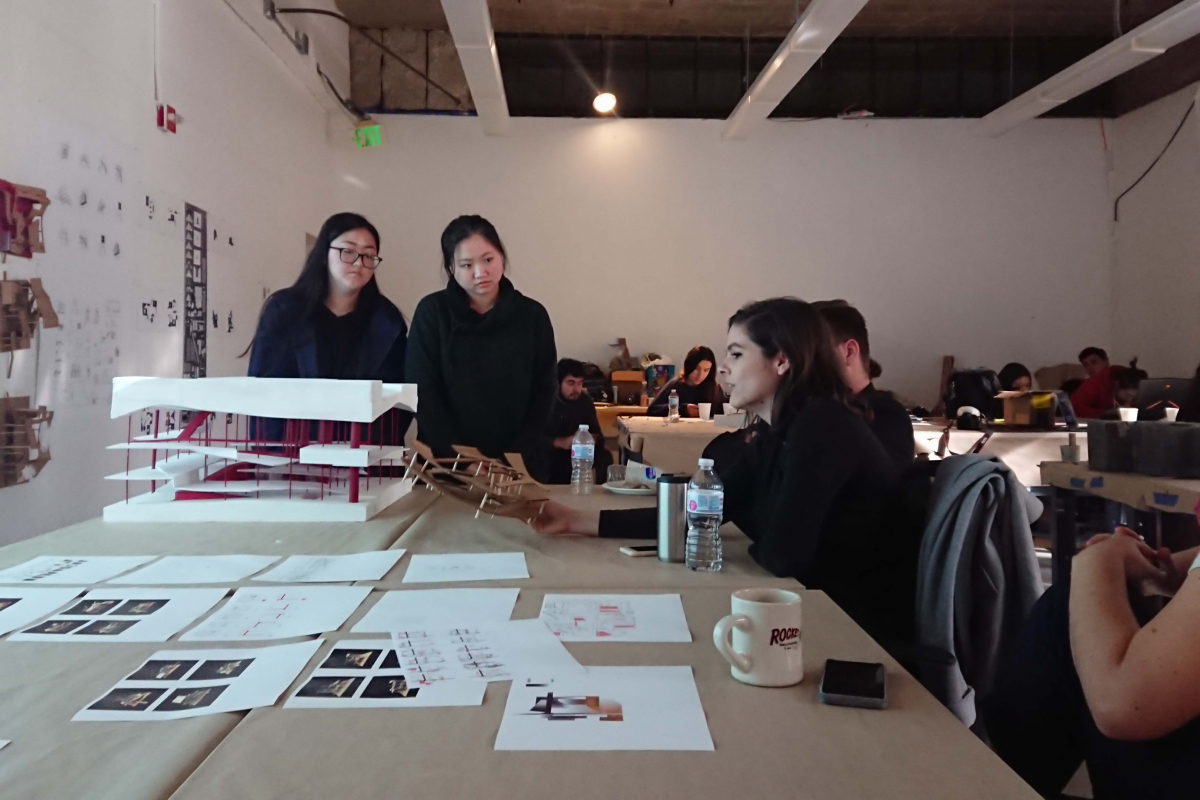
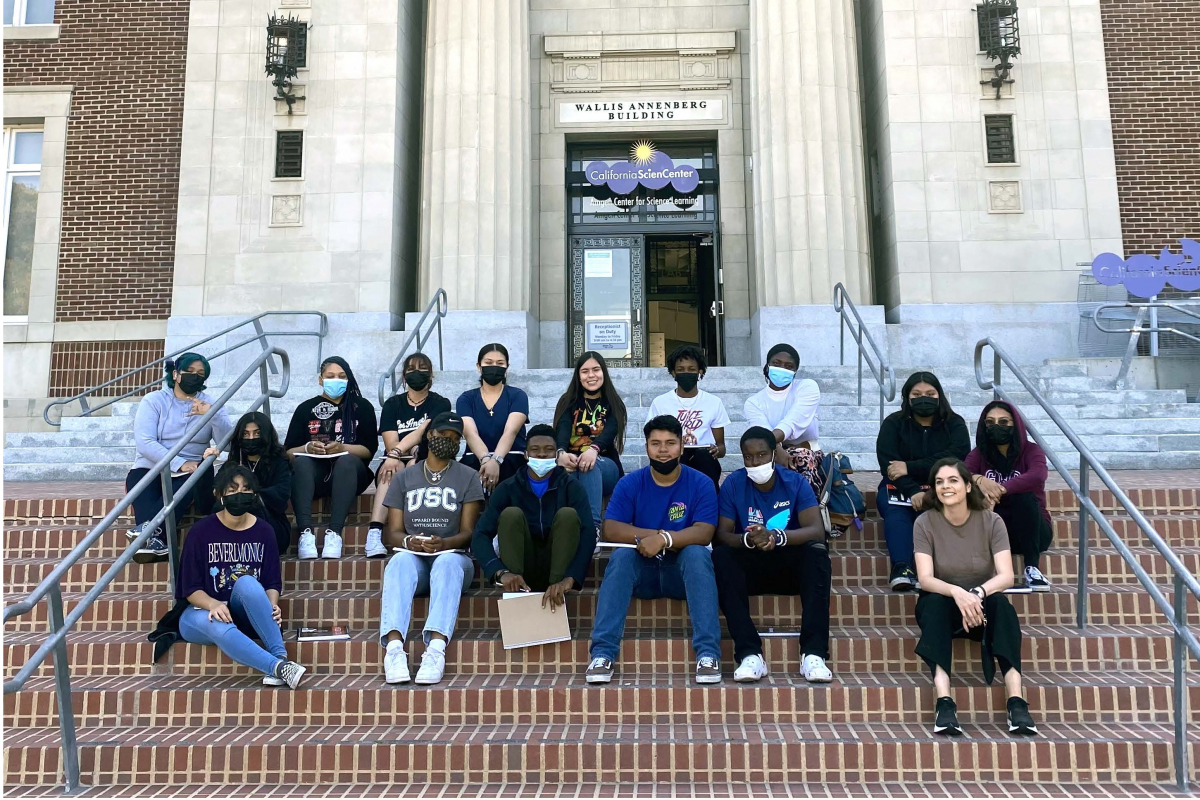
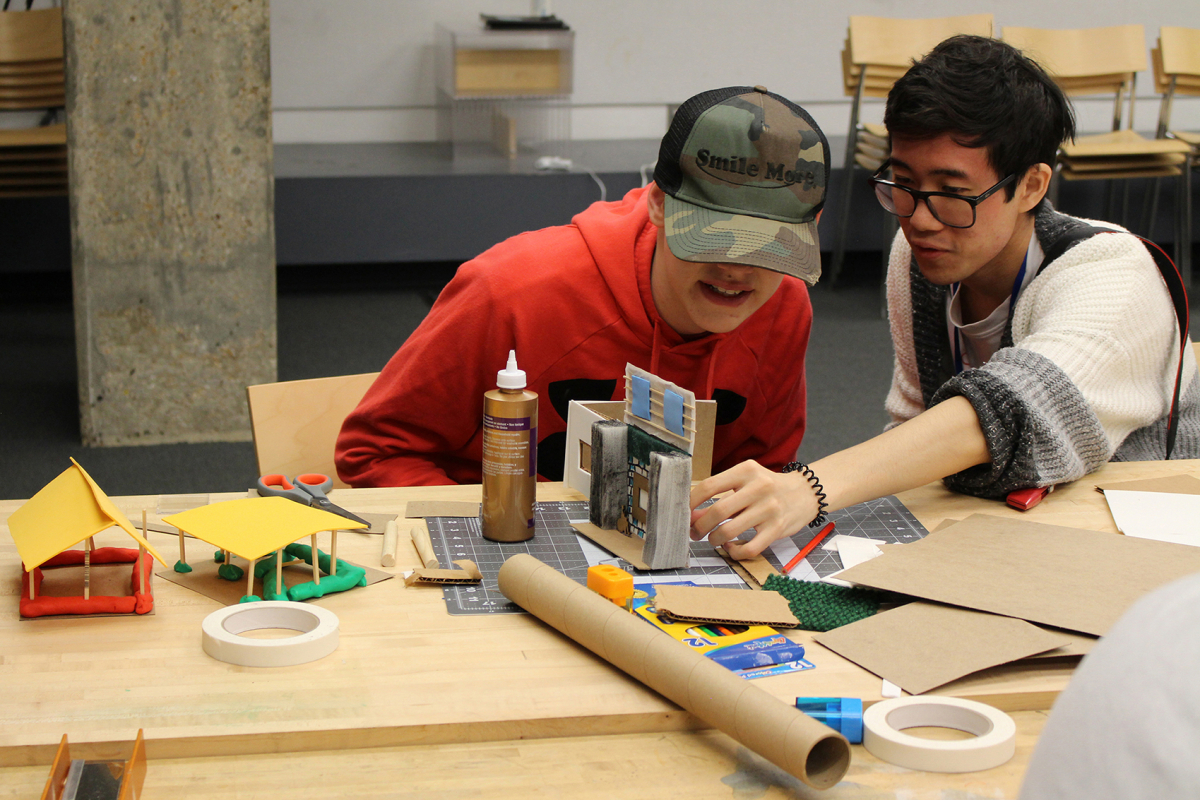
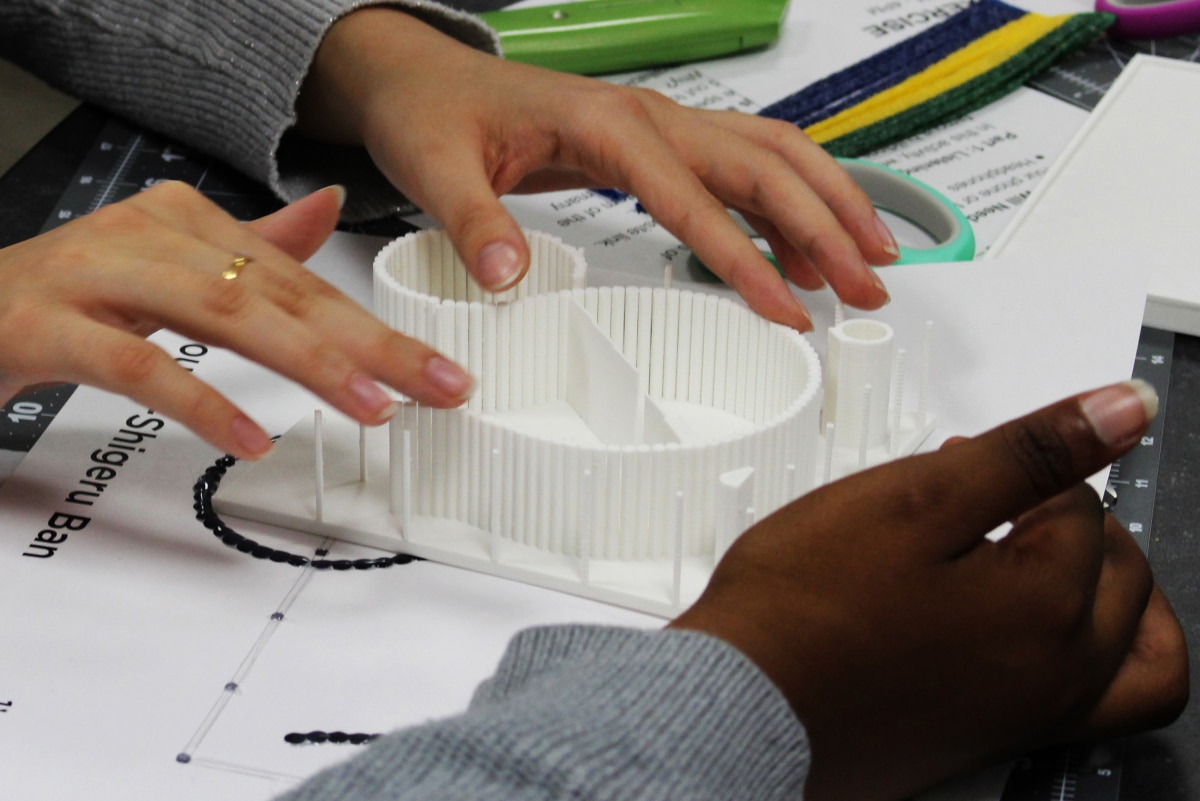
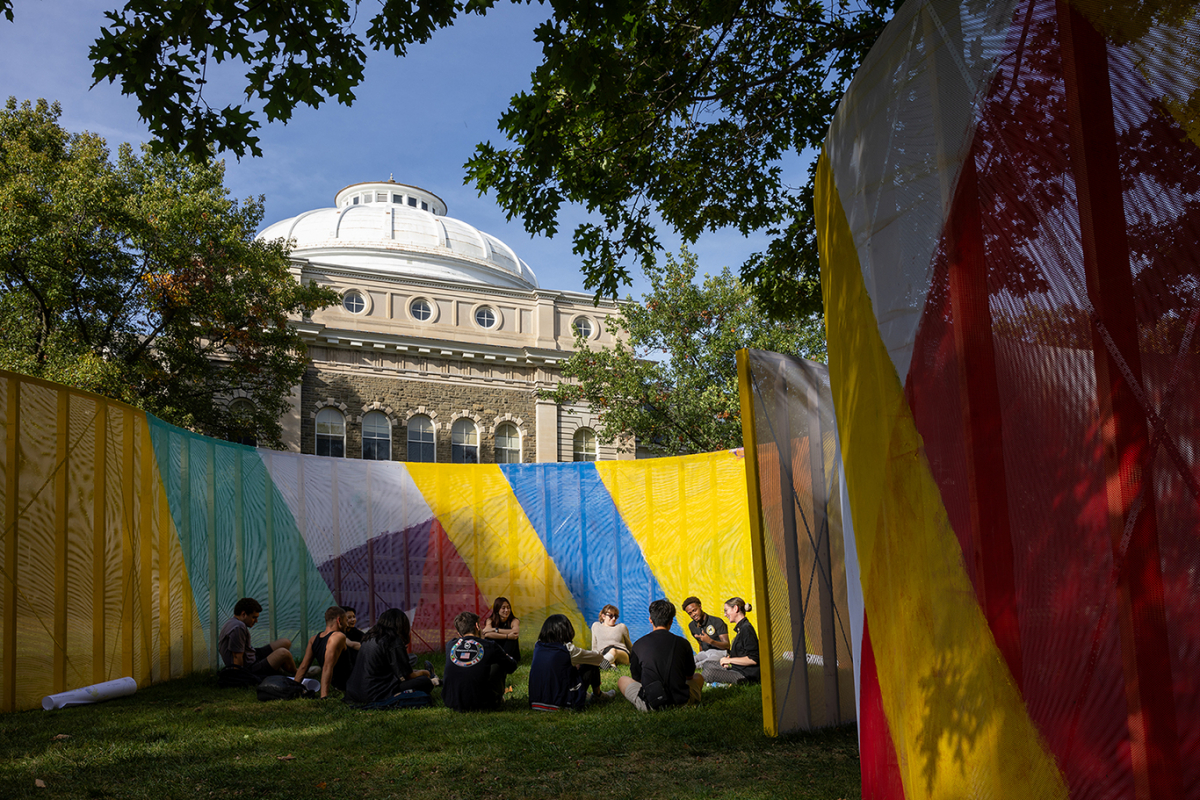
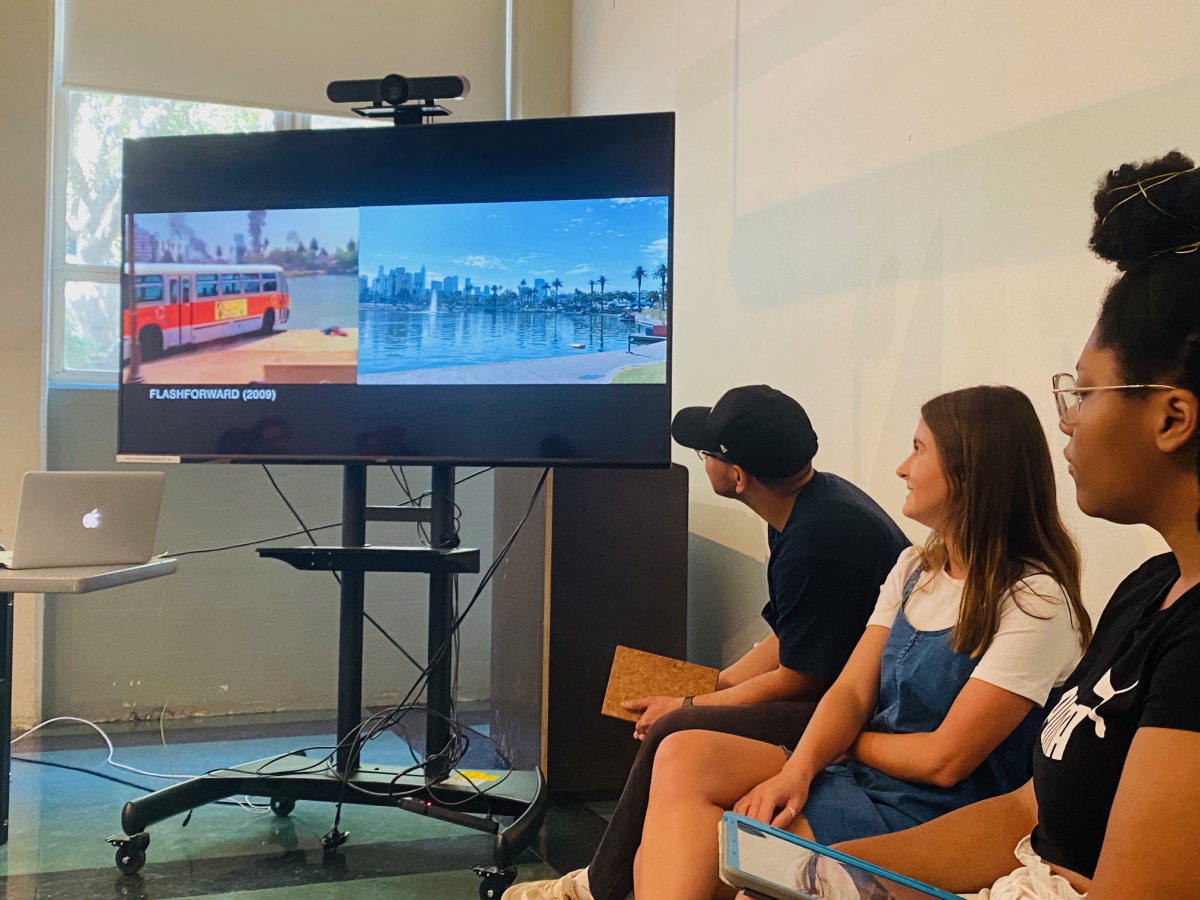
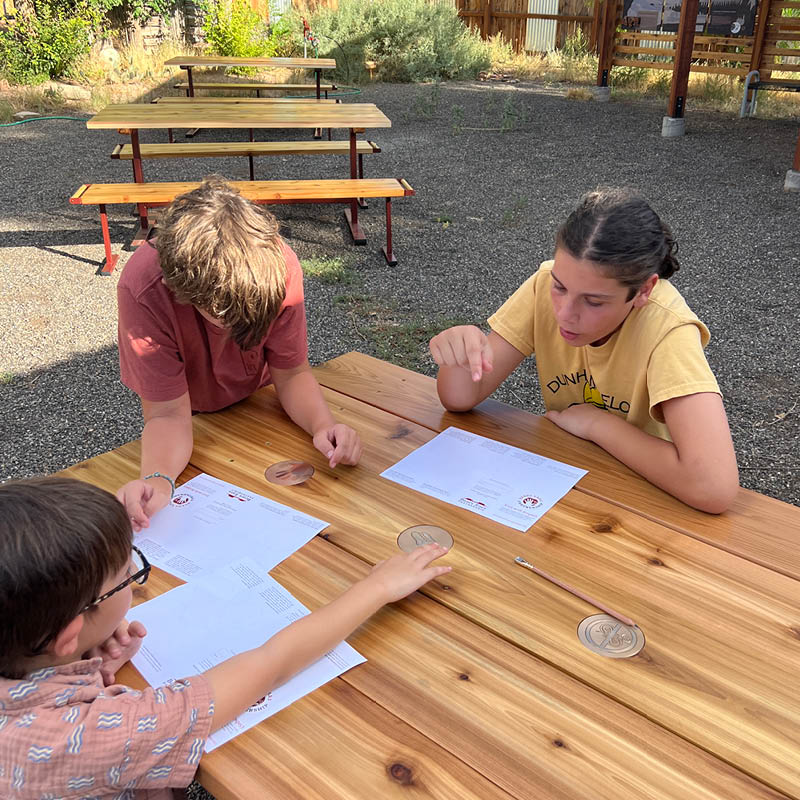
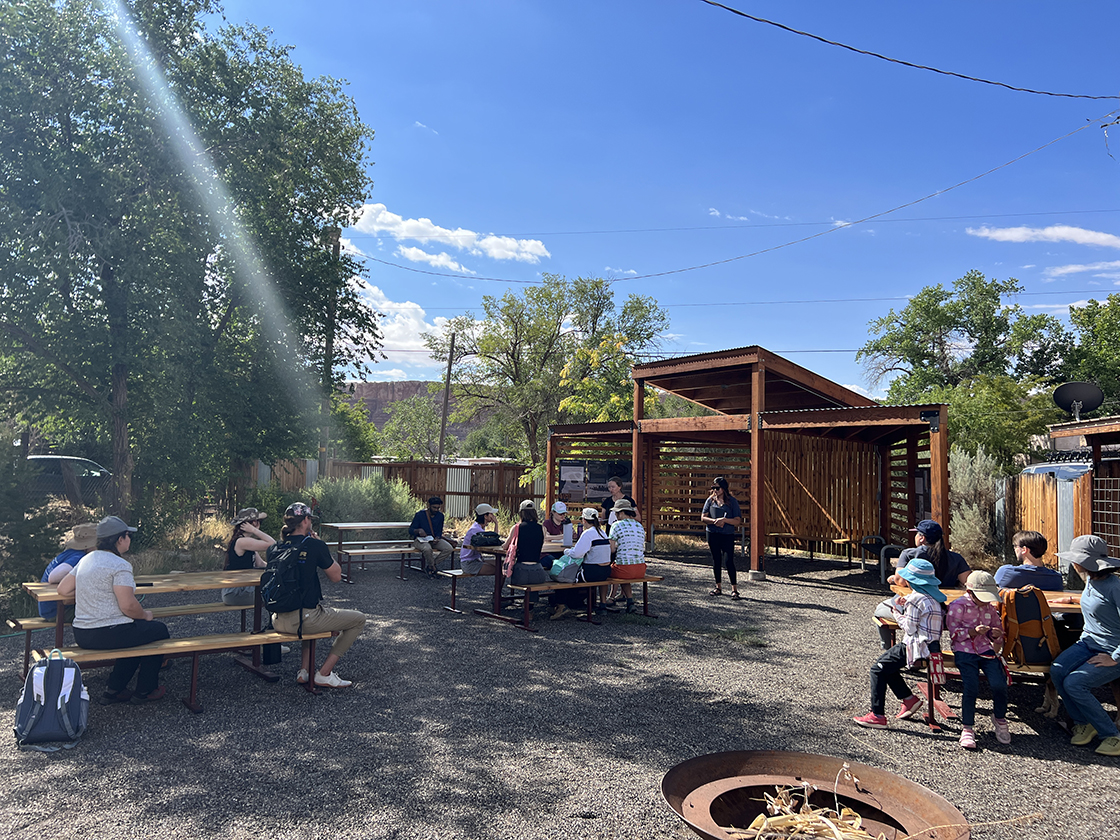
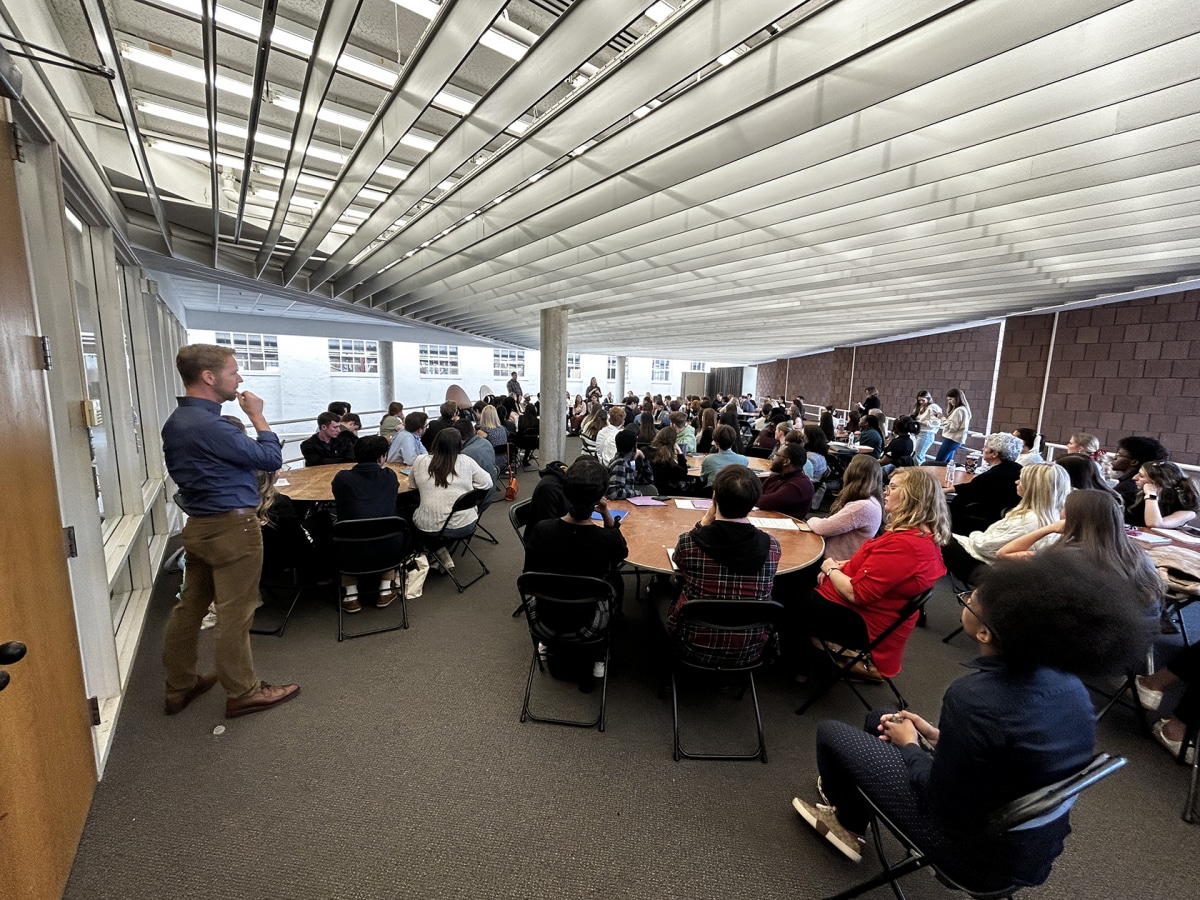
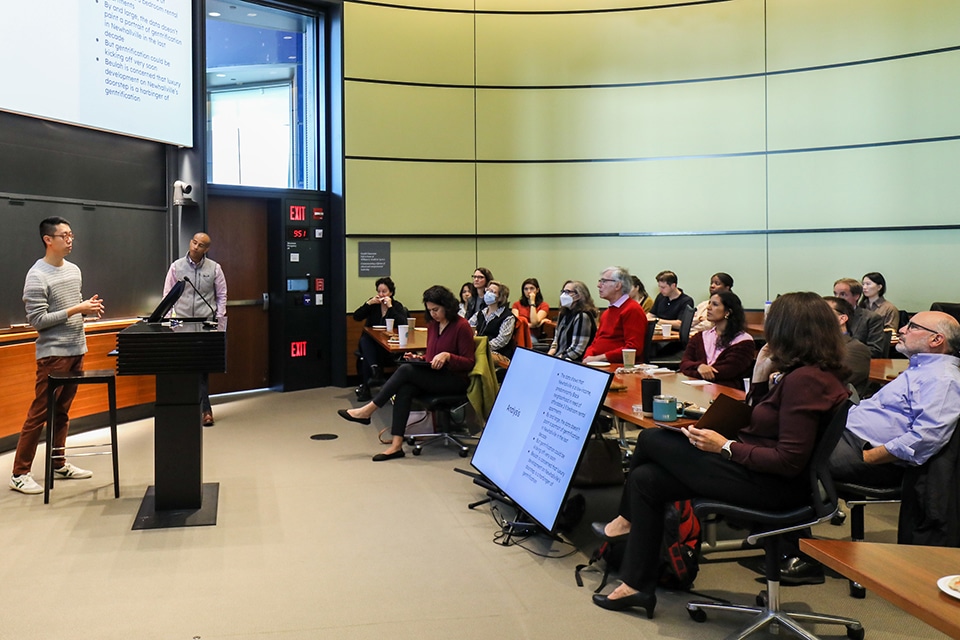
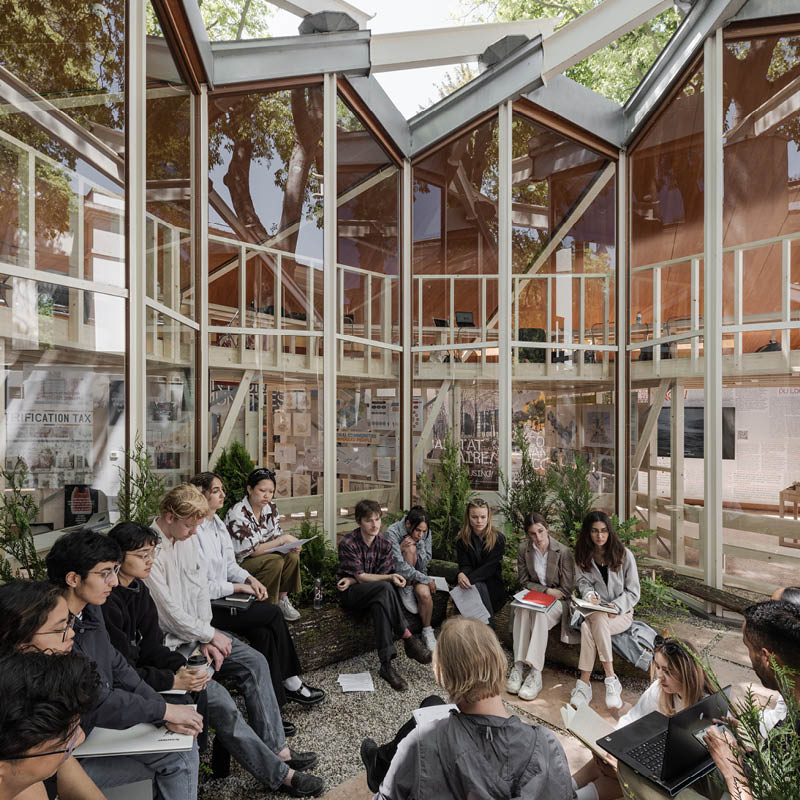
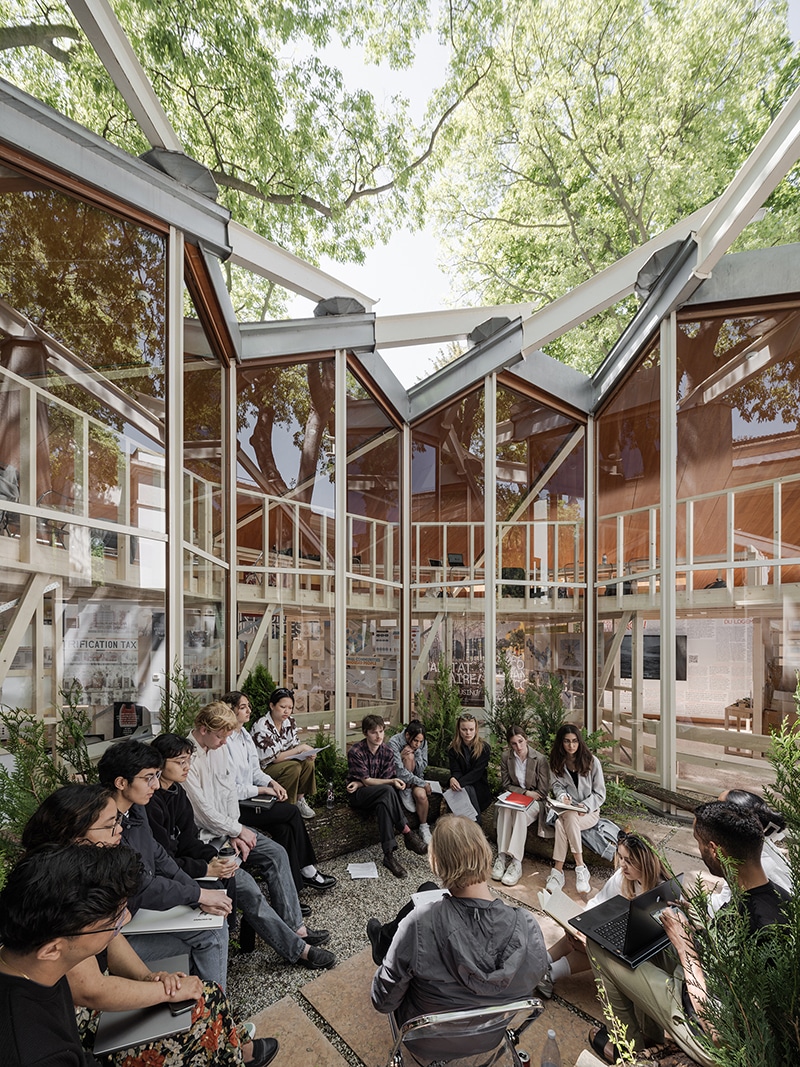
Over sixty students – freshman to doctoral – from music, architecture, engineering and business participated in a 3-credit seminar taught by faculty and community leaders. Our goal, bring a diverse group of individuals together, discuss hip-hop from different perspectives, and create a mobile laboratory. Youth from the Boys & Girls Club and other constituencies attended our weekly course in what we term as ‘communiversity’.
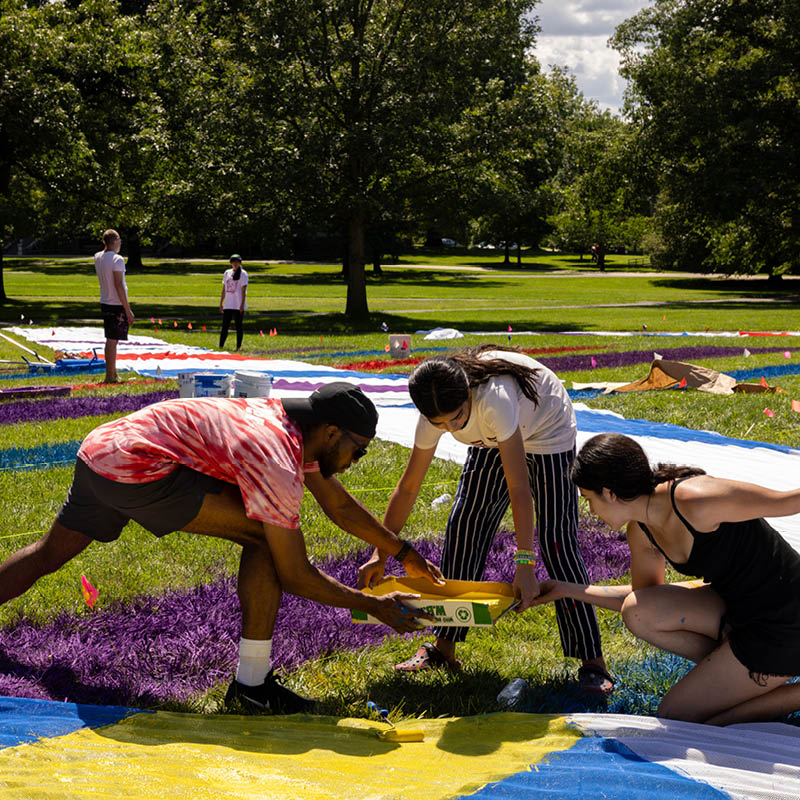
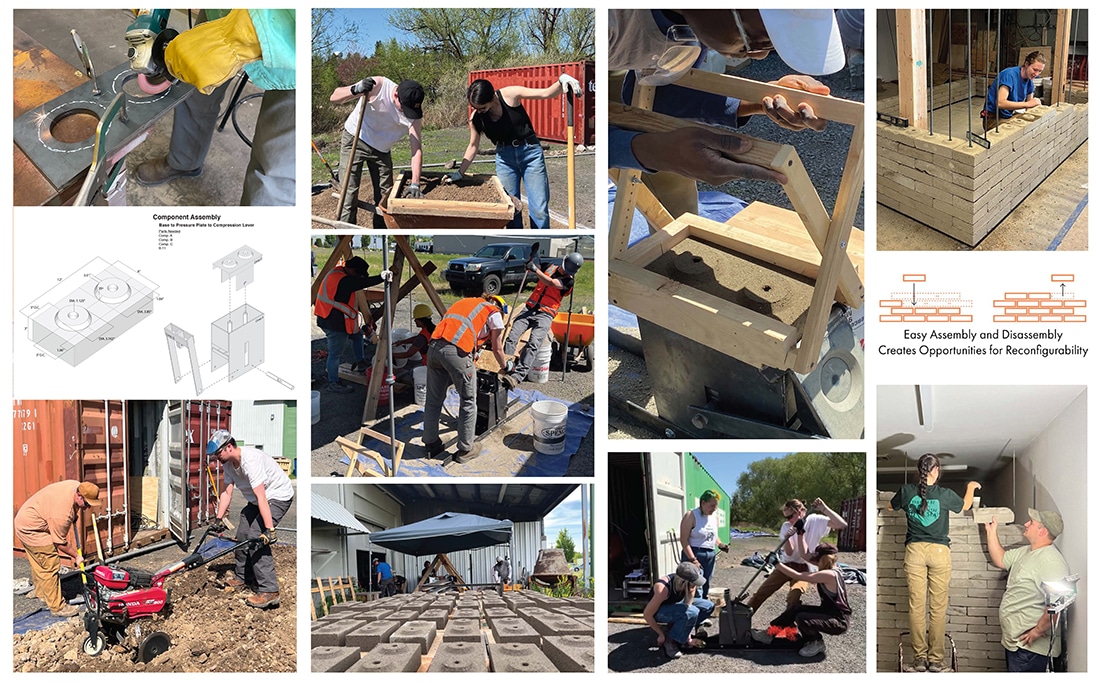
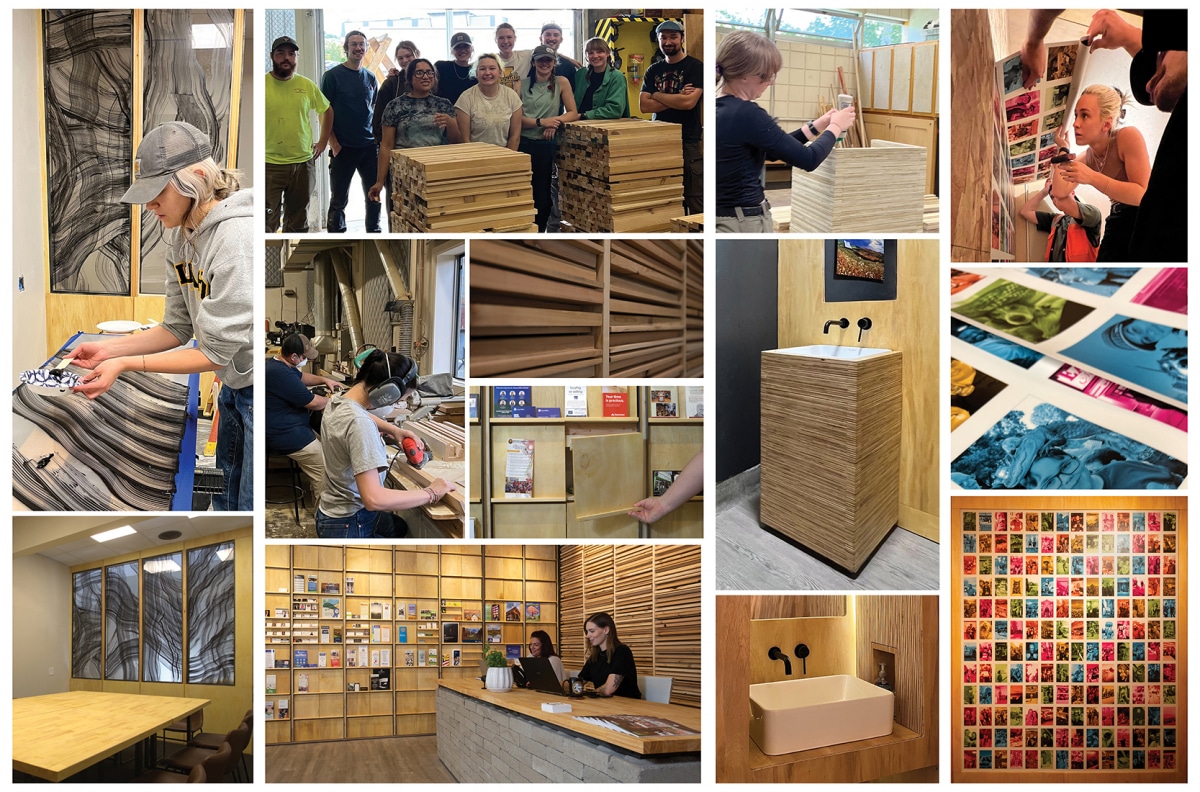
University students lead every aspect from: community engagement, design, materials research, procurement, fabrication, assembly, installation, trades coordination, fixtures & finishes, budget, and client transition. They were evaluated based on effort and achievement.

 Study Architecture
  ProPEL