
 Study Architecture
 ProPEL
Urban Design Matters
The Association of Collegiate Schools of Architecture (ACSA) in partnership with the Urban Design Academic Council (UDAC) and the American Institute of Architects, Regional and Urban Design Committee (AIA, RUDC) are pleased to continue the conference partnership dedicated to the intersection of education, research and practice. The conference will be held in New York City, October 1-3, 2026 with hosts AIANY, Center for Architecture; New York Institute of Technology (NYIT), School of Architecture and Design; & City College of New York (CCNY), Bernard and Anne Spitzer School of Architecture. At this in-person conference, attendees will gain an increased awareness of research happening in both academia and design practice. The conference will create opportunities for new partnerships, sources of funding, collaborations and critical observations. It will be a chance for both established researchers as well as those looking to enhance their research capabilities, with sessions, breakouts, workshops and networking events.
Steering Committee
June Williamson | Marcella Del Signore | Julio Salcedo Fernandez |
Dean Almy | Patty Heyda | Mona El Khafif |
María Arquero de Alarcón | Phu Duong | Shachi Pandey |
Peter Darby
| Rex Cabaniss |
Conference Overview
The 2026 Intersection Research Conference: Urban Design Matters invites contributions—including papers, case studies, and projects—that critically engage design practice and scholarship at the intersection of architecture and urbanism. The conference foregrounds urban design as an integrative, vital disciplinary and civic practice, instrumental in shaping affordable, just, sustainable, and adaptable built environments worldwide.
We seek work that advances theoretical, methodological, and practice-based perspectives, and that interrogates the agency of urban design across scales, cultural traditions, institutions, and communities. Submissions should make explicit why urban design matters today—environmentally, politically, socially, and spatially—and how it meaningfully and critically addresses the mounting contemporary urban crises.
Authors are invited to submit under one of the designated categories and to select the track that best aligns with their contribution. In addition, the conference includes a dedicated poster category showcasing student work that addresses matters of urban design.
Pedagogies of Urban Design
Contributions that critically examine the full range of methods, frameworks, and approaches to teaching and learning urban design within and beyond professional and pre-professional degree programs. We welcome submissions that address pedagogies responding to uncertainty and complexity, as well as interdisciplinary, experimental, and alternative models focused on design of the urban condition. Contributions may engage curricular structures, studio models, research-led teaching, community-based learning, or emerging tools and platforms, articulating how pedagogical innovation advances urban design education.
Practices of Urban Design
Contributions that critically reflect on the changing practice of urban design—and the role of urbanistic approaches within architecture and allied disciplines—from both public and private sector contexts. Collaborative submissions by practitioners and academics that examine the significance, methods, real world challenges, and impacts of the field are strongly encouraged.
Scales and Means of Urban Design
Contributions that probe notions of urban development, reconstruction, care and repair, disruption, and urban justice, at the full range of scales of engagement, from local interventions, buildings, and landscapes to territorial frameworks. Discourse that investigates urban types and morphologies, how they adapt, transform, and evolve in relation to a range of urban challenges is encouraged.
Emergent Technologies of Urban Design
Contributions that document and investigate how big data, urban AI, and other emergent digital technologies shape urban environments, governance, and everyday life across diverse global contexts and scales, examining their intersections with sociopolitical, cultural, and spatial change.
Urban Spatial Narratives
Contributions from across media types that narrate, counter narrate or otherwise analyze histories and theories of urban lived space. These can focus on a particular place or set of places, engage notions of power and agency, interrogate specific figures, community collaborations, or client relationships, trace a movement, or tell another meaningful story.
Matters that Expand Urban Design
Contributions that expand and challenge the disciplinary frameworks of urban design, including: How do we advance global, comparative, and transdisciplinary urban design research methods? What socioecological agency does urban design have on climate change and planetary multispecies coexistence? How does urban thinking promote, or inhibit, the social life of the city and suburb? Who ultimately has the right to the city?
Thursday Plenary
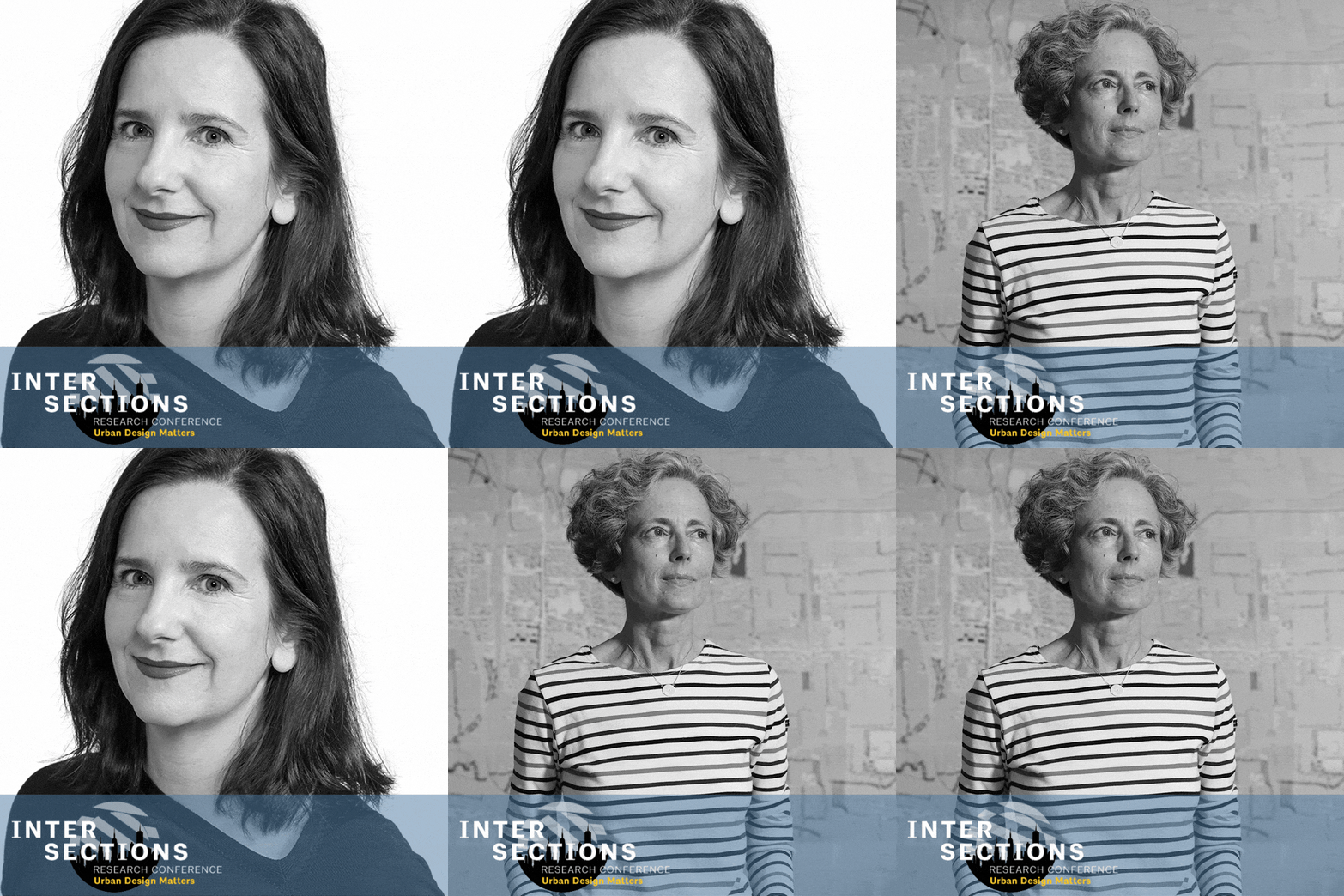
Paola Viganò
Paola Viganò architect and urbanist, is Full Professor in Urban Theory and Urban Design at the EPFL (CH) where she directs the Habitat Research Center and the Lab-U) and at IUAV Venice (IT). She received the Grand Prix de l’Urbanisme in 2013, the title of Doctor Honoris Causa by the UCLouvain in 2016 in the frame of “Utopia for our Time”, the Flemish Culture Award for Architecture in 2017, and the Golden medal to the career of Milano Triennale in 2018. Together with Bernardo Secchi, she founded Studio (1990-2014) working on numerous projects and visions in Europe.
Georgeen Theodore
Georgeen Theodore, FAIA is an architect, urban designer, and professor at New Jersey Institute of Technology’s College of Architecture and Design, where she coordinates the Master of Urban Design program. Theodore is a founder and principal of the award-winning architecture, urban design, and planning practice Interboro Partners.
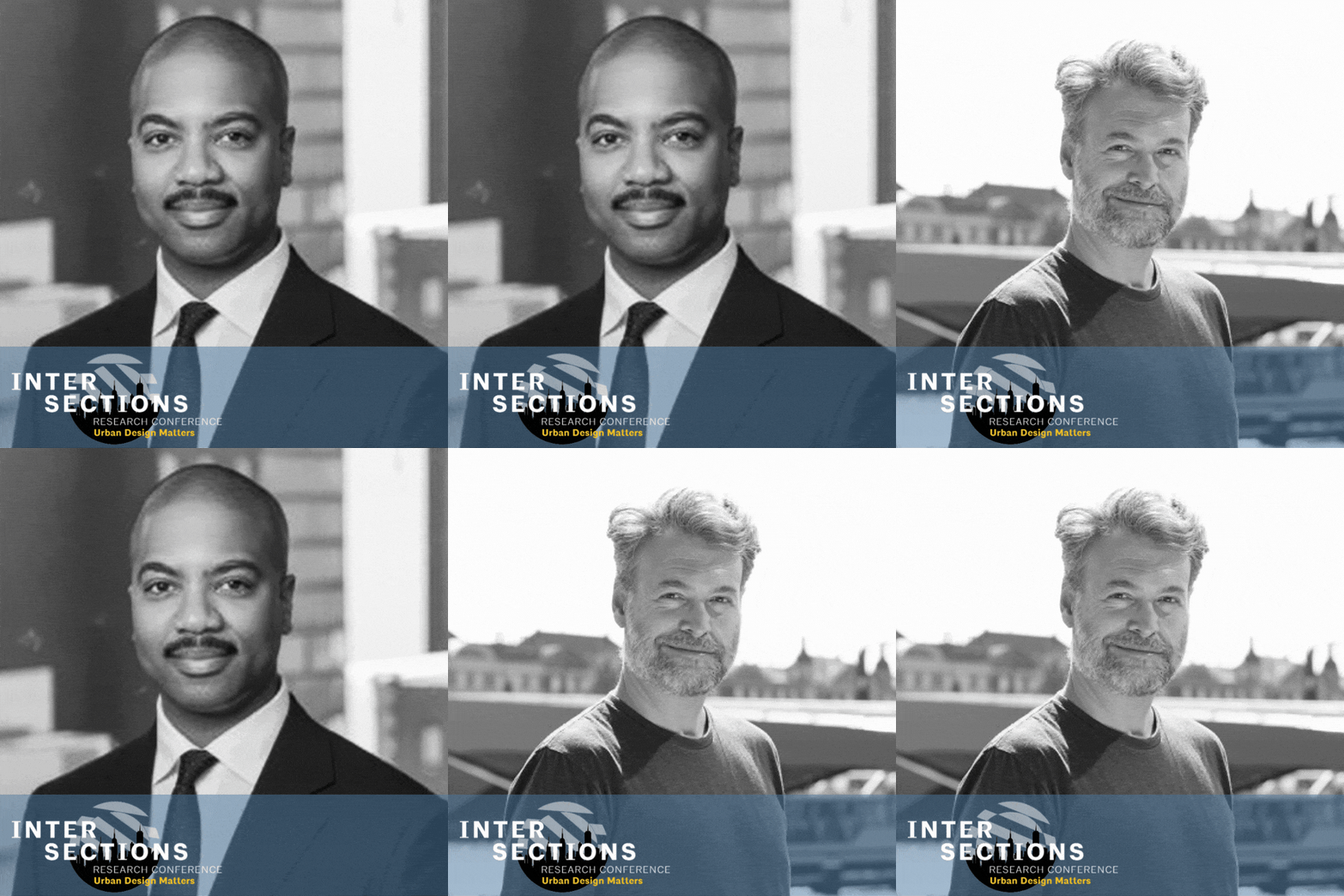
Erich Bilal
Erich Bilal serves as the Executive Director of the Public Design Commission. Prior to joining the PDC, Bilal worked at the New York City Economic Development Corporation, most recently as Vice President of Neighborhood Strategies in the Planning Division. In this role, he oversaw public engagement, planning, design, and implementation for social infrastructure and community-oriented development projects of all scales. His work included public realm and open spaces, cultural centers, community facilities, and housing developments, all aimed at improving the quality of life for New Yorkers across the five boroughs.
Matthew Lister
Matthew is a creative urban placemaker, real estate development strategist, and designer. Based in New York, Matthew is Managing Director for Gehl US and focuses on the intersection of real estate strategy and the design and activation of great public spaces. Often working at multiple scales with both private and public clients, he works to develop aspirational yet economically sustainable and implementable solutions. Matthew also brings an expertise in collaborative engagement with diverse communities in the urban change and development process. Matthew is also a Visiting Assistant Professor at Pratt Institute in New York City.
Conference Partners






Questions
Michelle Sturges
ACSA
Conferences Manager
202-785-2324
msturges@acsa-arch.org
Eric Wayne Ellis
ACSA
Sr. Dir. of Operations & Programs
202-785-2324
eellis@acsa-arch.org
